Popular
All Food & Drink Stencils
New
Coffee Cup
⬇ Download Free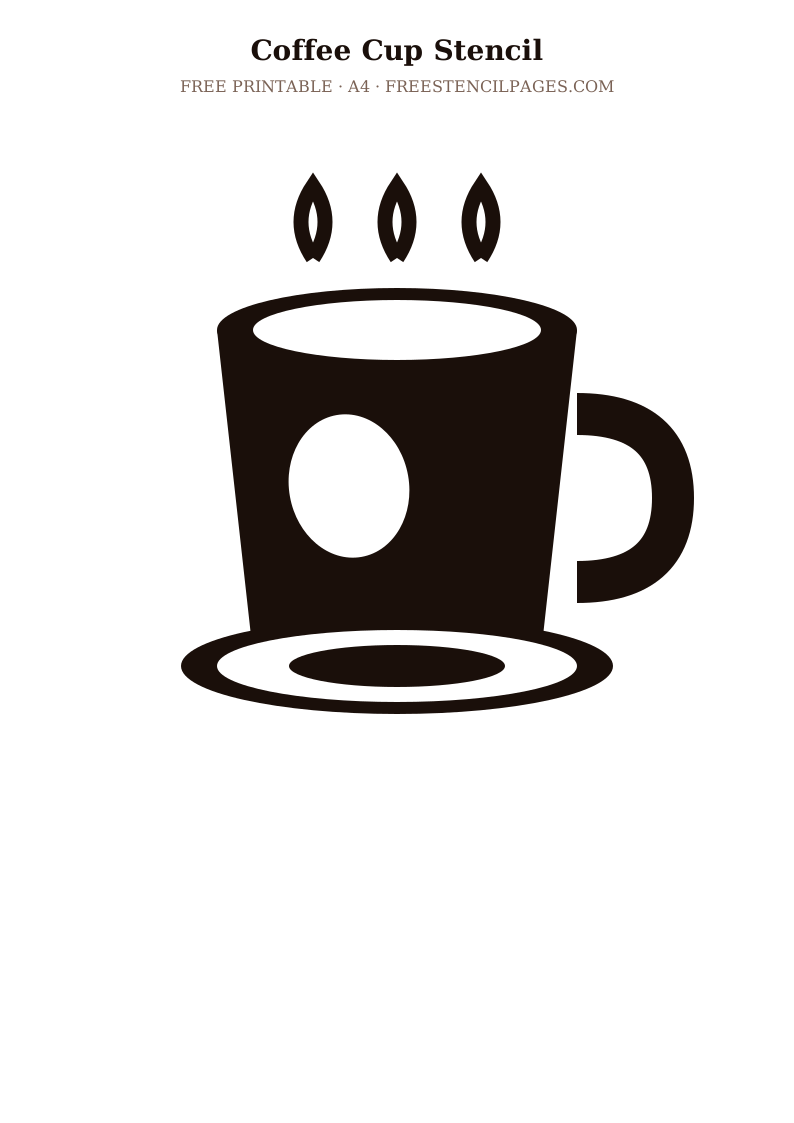
Classic
Apple
⬇ Download Free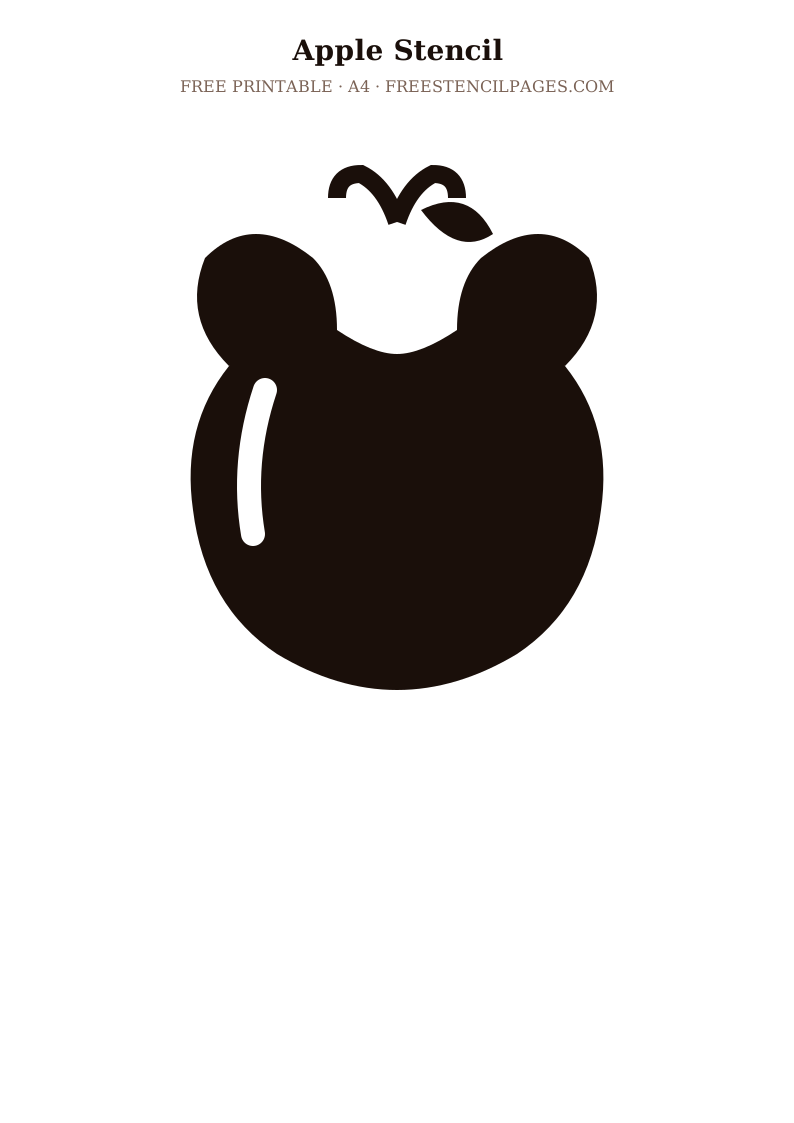
Featured
Ice Cream
⬇ Download Free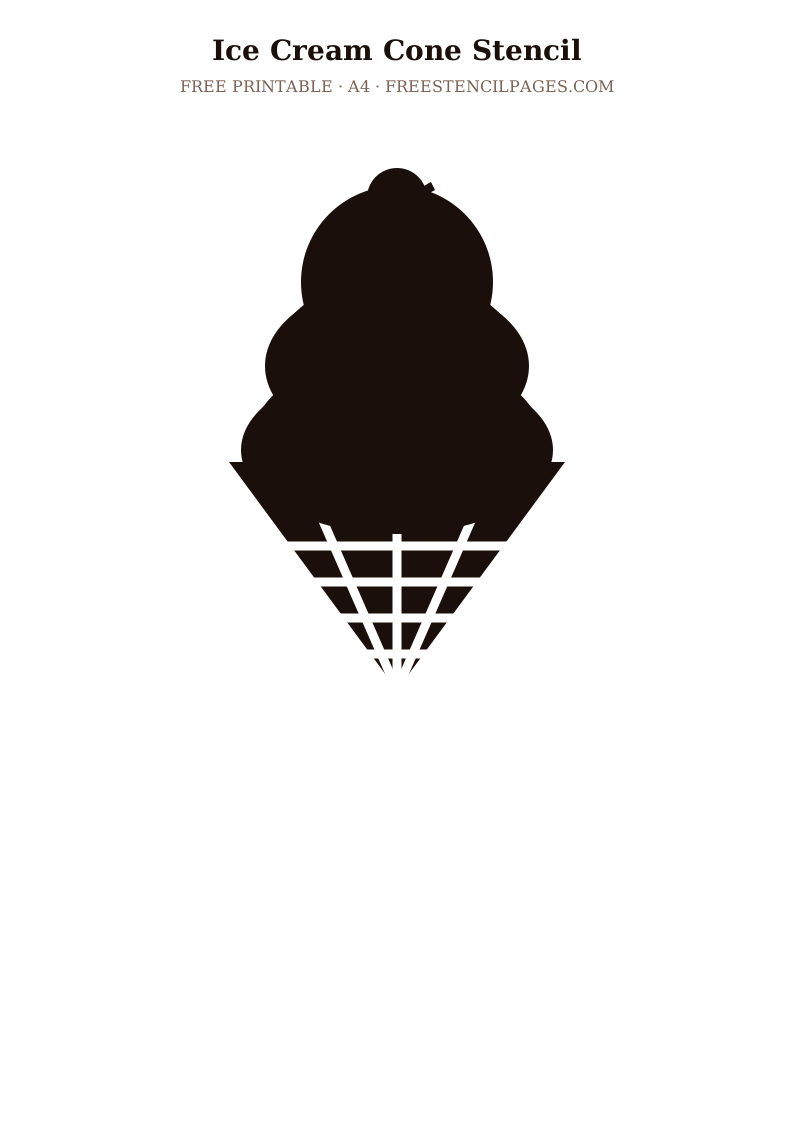
Top Pick
Pineapple
⬇ Download Free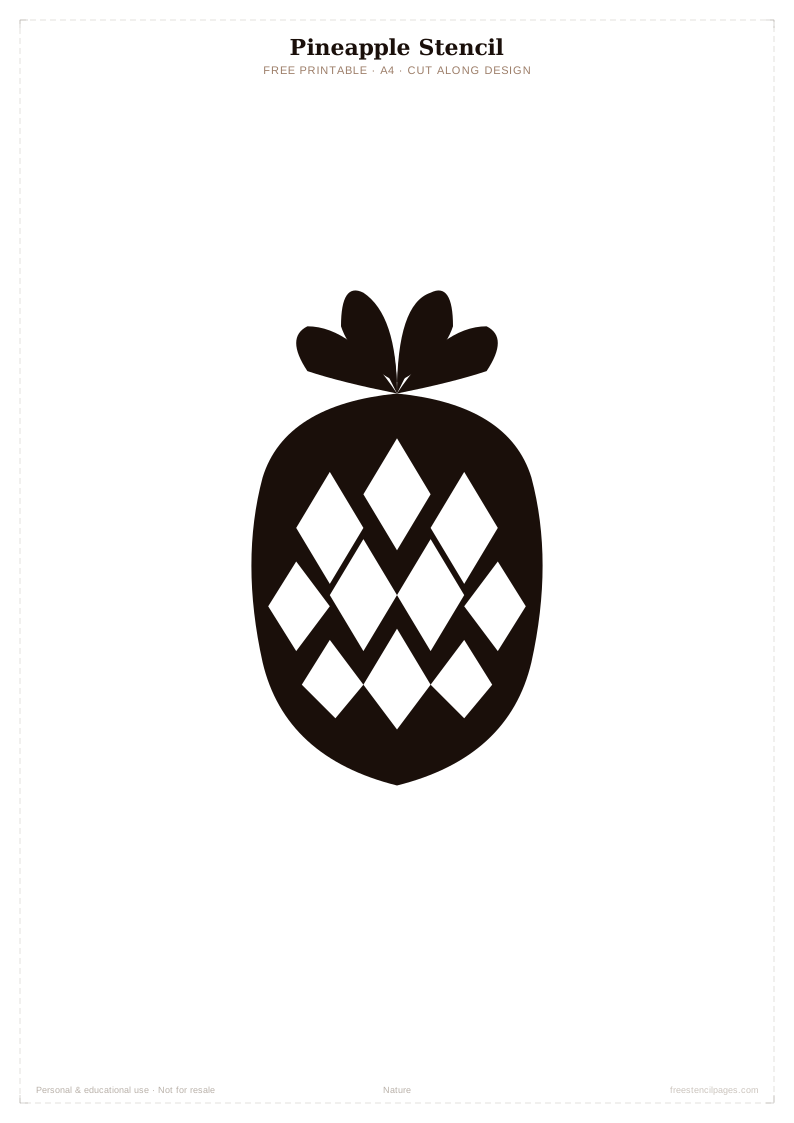
Trending
Cactus
⬇ Download Free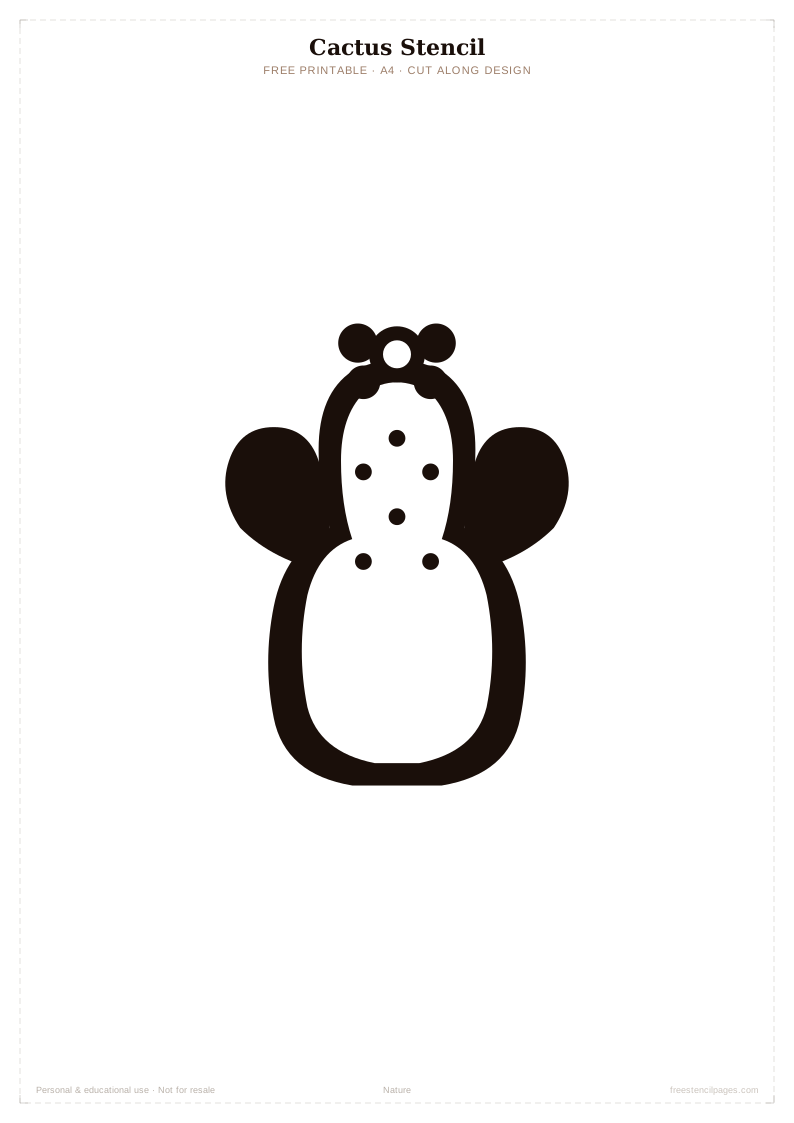
Staff Pick
Strawberry
⬇ Download Free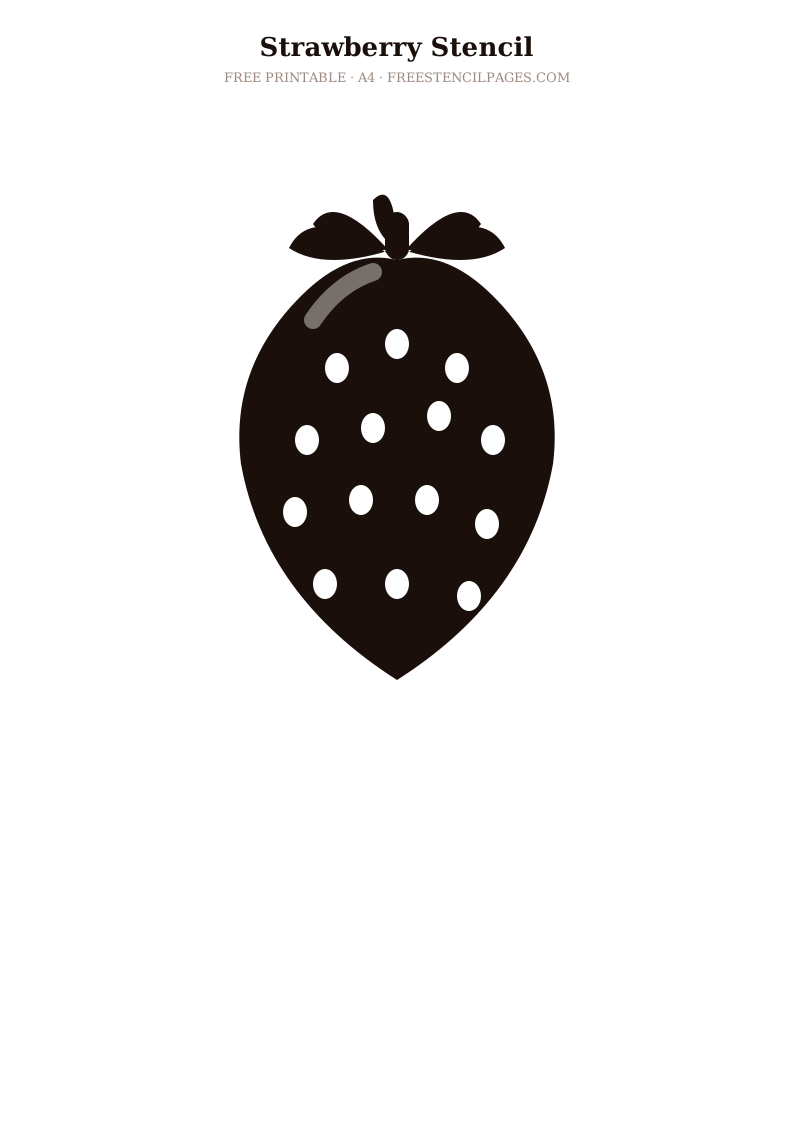
Popular
Lemon Slice
⬇ Download Free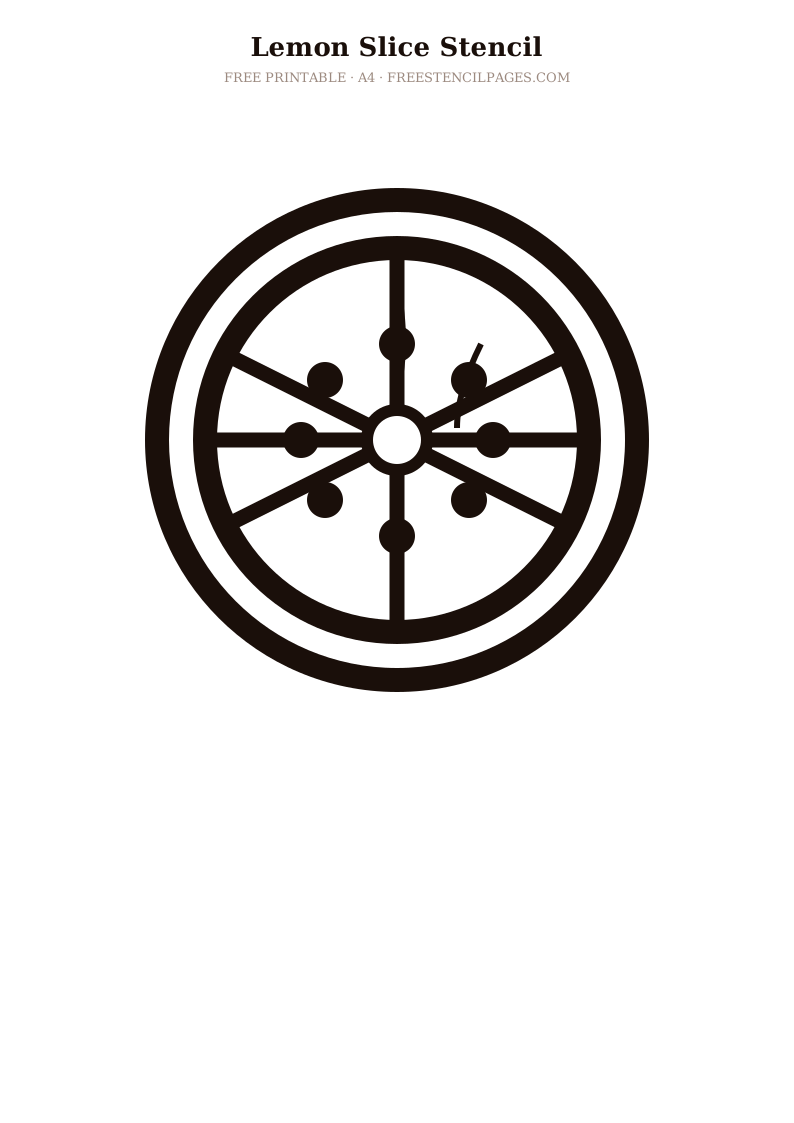
New
Cherries
⬇ Download Free
Classic
Wine Glass
⬇ Download Free
Trending
Teapot
⬇ Download Free
Featured
Bread Loaf
⬇ Download Free
New
Chef
⬇ Download Free
Project Ideas
Cake Decoration
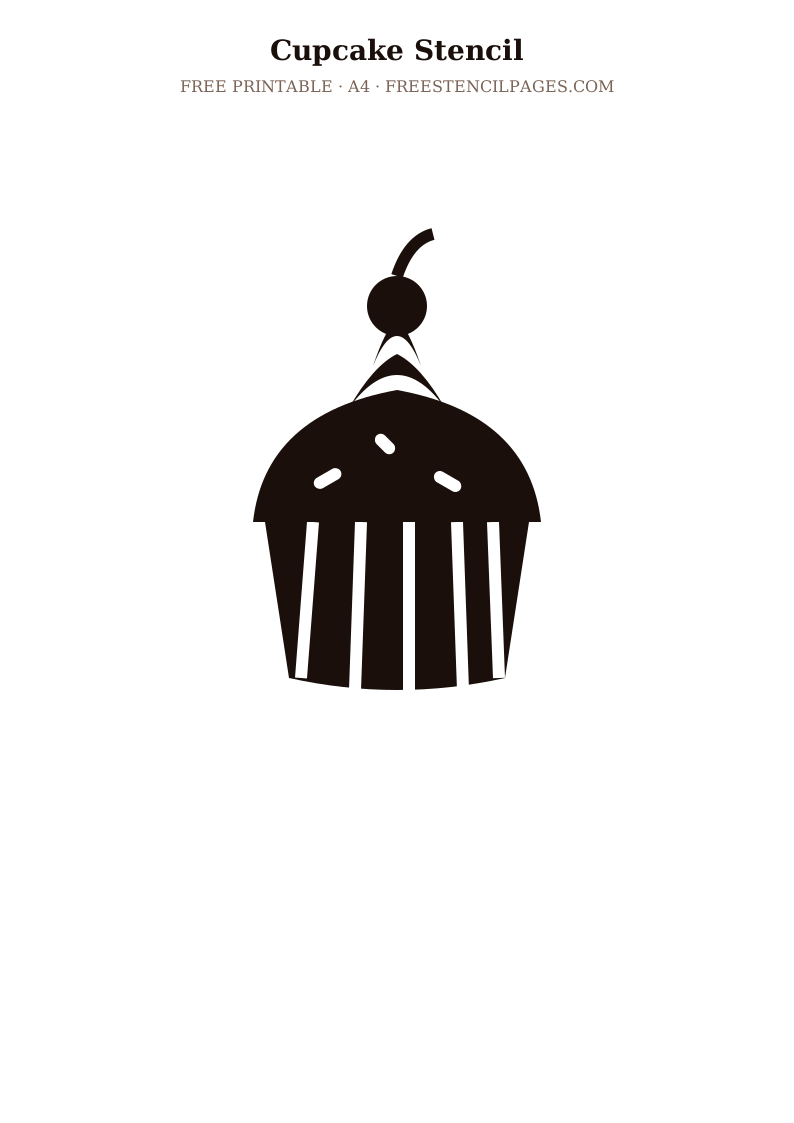
Use the cupcake, apple or ice cream stencil with edible food colouring powder on fondant-iced cakes for professional-looking bakery decoration at home.
Café & Kitchen Décor
Apply the coffee cup and cupcake stencils to a kitchen chalkboard, tile splashback or canvas for a warm, welcoming kitchen feature.
Kitchen Textiles
Stencil the coffee cup or cupcake onto tea towels, aprons and oven gloves with fabric paint for charming handmade kitchen gifts.
Baking Party
Use food stencils to decorate a baking-themed party — personalise cupcake bags, bunting and a dessert table backdrop.
Baker's Gift Set
Stencil the cupcake and coffee cup onto a wooden tray, with matching labels on jars of baking ingredients for a beautiful handmade baker's gift.
Packaging & Branding
Small bakeries and food businesses can use these stencils for hand-decorated packaging, tissue paper and gift wrap.
Food Stencil Project Tips
- Cake decorating: For food-safe cake decoration, use food-grade stencils (cut from food-safe acetate) and apply edible lustre dust, petal dust or food colouring powder with a soft brush. Always use food-safe materials on items to be eaten.
- Chalkboard stencilling: Prime a chalkboard surface first, then apply the stencil with white or chalk-coloured chalk paint for a beautiful café-style display.
- Tea towels & kitchen textiles: Pre-wash and iron before stencilling. Use fabric paint applied sparingly with a foam stencil brush. Iron on reverse without steam to heat-set for a washable result.
- Packaging: For food packaging, use food-safe inks and ensure the stencil material is approved for food contact. Do not use standard acrylic paint for items in direct contact with food.
Curated Collections
Frequently Asked Questions
Can I use these food stencils directly on a cake?
For cake decoration, you need food-safe stencils and food-safe decorating materials (edible dust, petal powder, food colouring). Print the design, trace onto food-safe acetate, cut out, and use with food-safe colouring only.
What paint works best for kitchen textiles like tea towels?
Use dedicated fabric paint or add fabric medium to regular acrylic paint. Apply sparingly with a foam brush, let dry completely, then iron on reverse (no steam) for a permanent, washable finish.
Can I use food stencils for a café or bakery?
Yes — our stencils are free for personal and educational use. A commercial licence is required for using them in a business context — please see our licence page.
What is the best surface for food stencil art?
Chalkboards, canvas, wood, ceramic tiles and kitchen textiles all work beautifully. Each surface requires a different paint type — chalk paint for boards, ceramic paint for tiles, fabric paint for textiles.