Best easy stencils
Why start with simple stencils?
Complex stencils with lots of fine detail require precise technique — a nearly dry brush, spray adhesive, multiple thin coats — to look good. Simple bold designs are much more forgiving. A slightly uneven application actually adds character and a handmade quality that can look more appealing than machine-perfect results.
Beginner tip: the dry brush technique
The single biggest mistake beginners make is using too much paint. Dip your brush in the paint, then tap it off on paper or cardboard until the brush feels almost dry. Then apply to the stencil with a gentle dabbing motion. You'll be amazed how little paint you actually need — and how much cleaner the edges look.
Best surfaces to start with
Paper and card are the most forgiving — great for greeting cards and gift wrap. Fabric tote bags are brilliant for beginners as they lie flat and take fabric paint beautifully. Walls are very achievable once you have the dry brush technique — start with a simple bold design rather than a fine repeating pattern.
Frequently asked questions
What is the easiest stencil to start with?
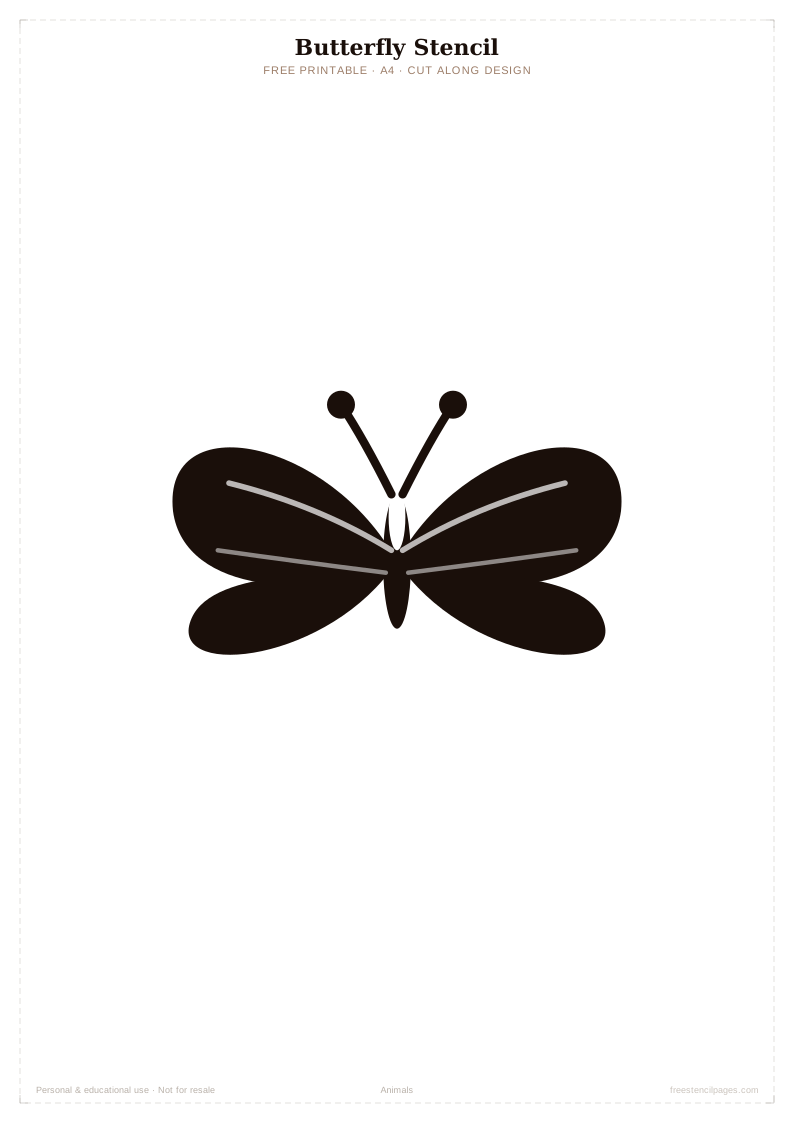
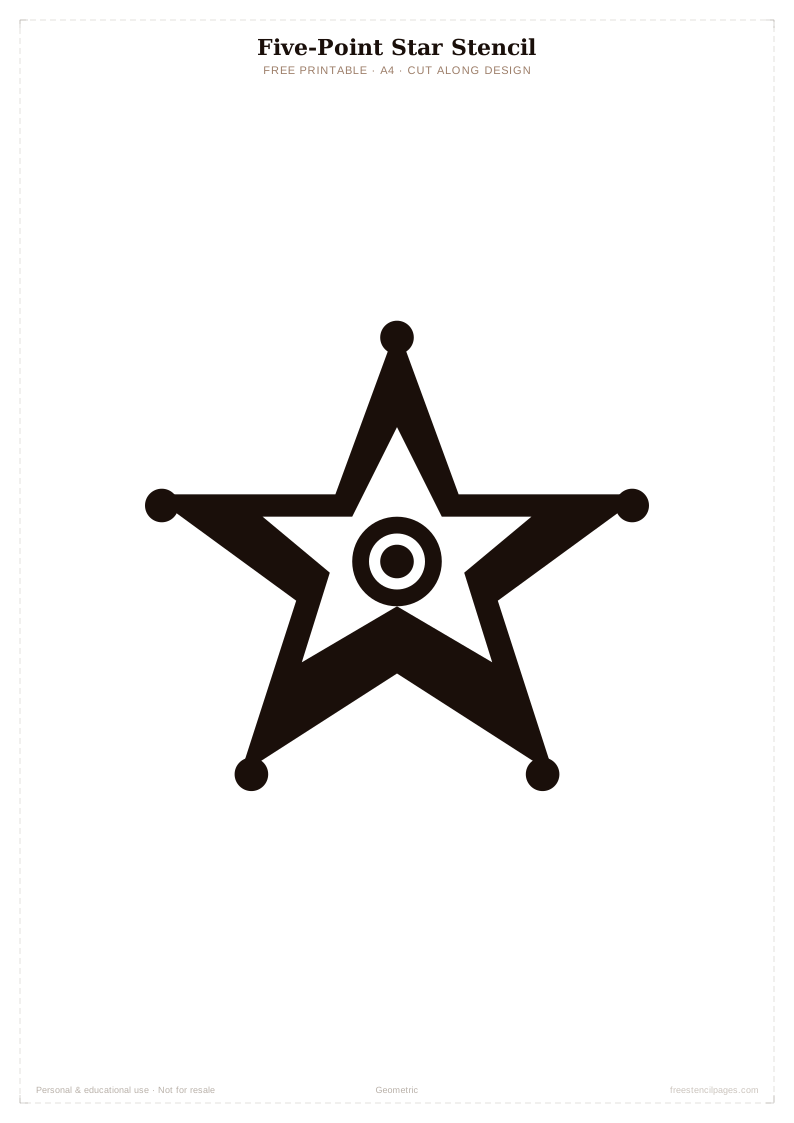
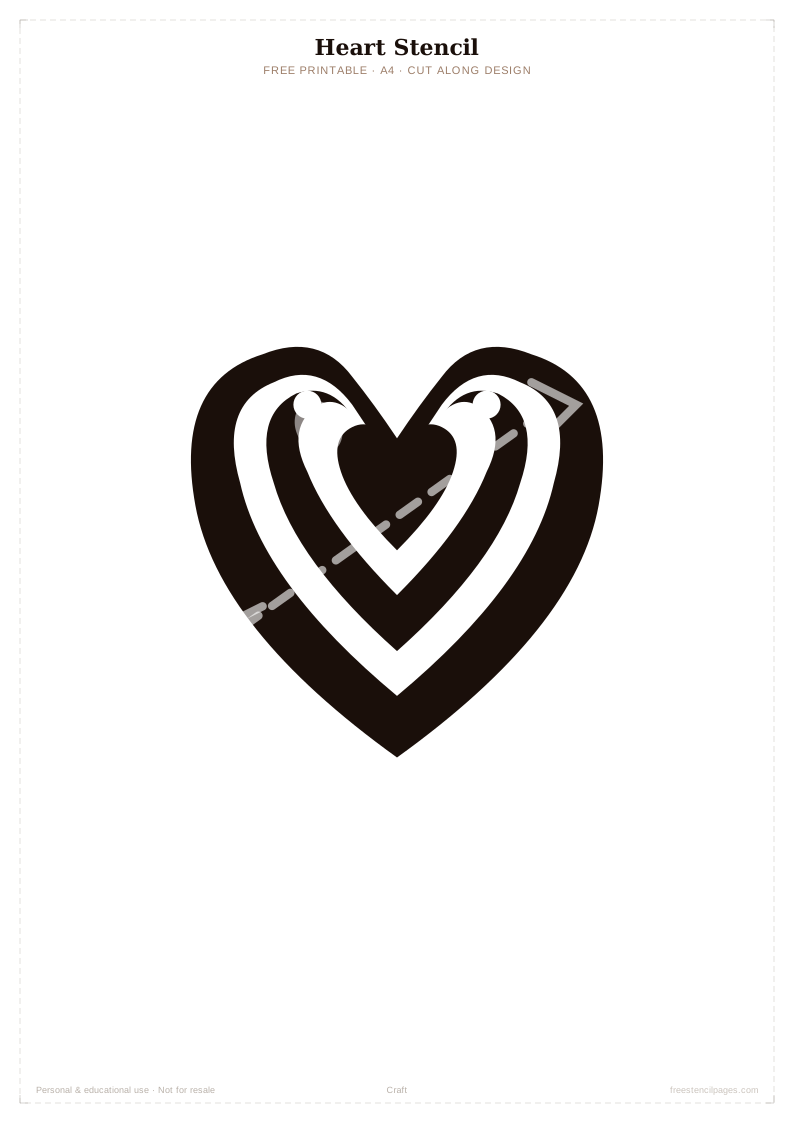
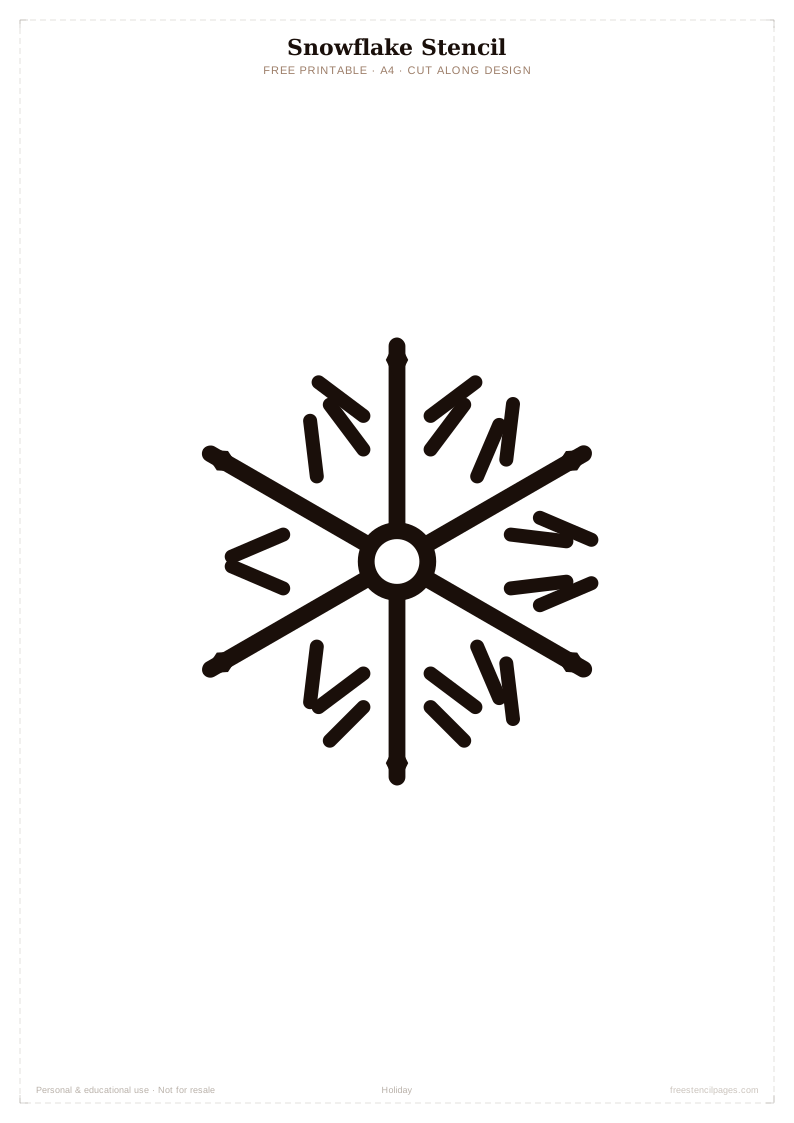
The star, heart, snowflake and butterfly are our most beginner-friendly designs. They have bold, simple outlines with wide bridges that are very forgiving to paint.
What paint should a beginner use for stencilling?
Chalk paint is perfect for beginners — it dries quickly, has a beautiful matte finish and is very forgiving. For fabric, use fabric paint or standard acrylic mixed with a fabric medium.
How do I stop my first stencil from looking messy?
The key is using almost no paint — tap most of it off before applying. Also press the stencil firmly flat, and peel it off while the paint is still slightly wet.
Do I need a special brush for stencilling?
A round stencil brush is ideal but not essential. A dense foam roller or even a makeup sponge works brilliantly for beginners and actually produces very clean results.