🖼️ Feature wall centrepieces
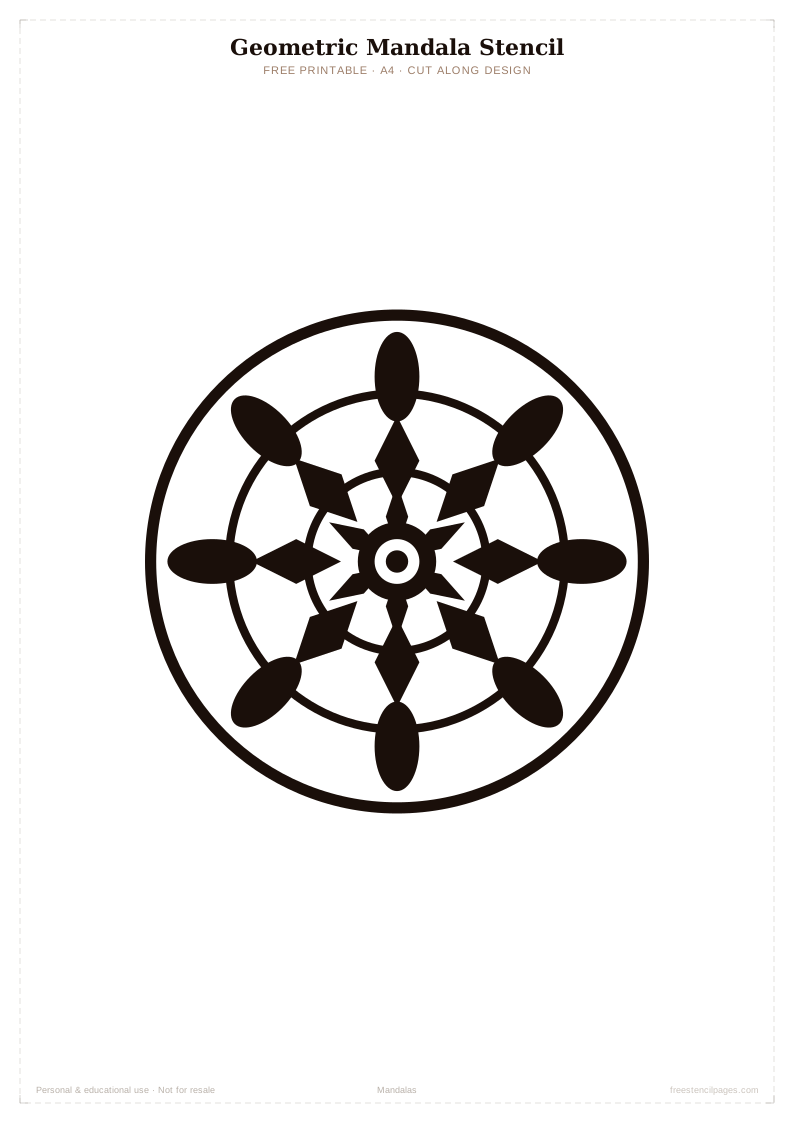
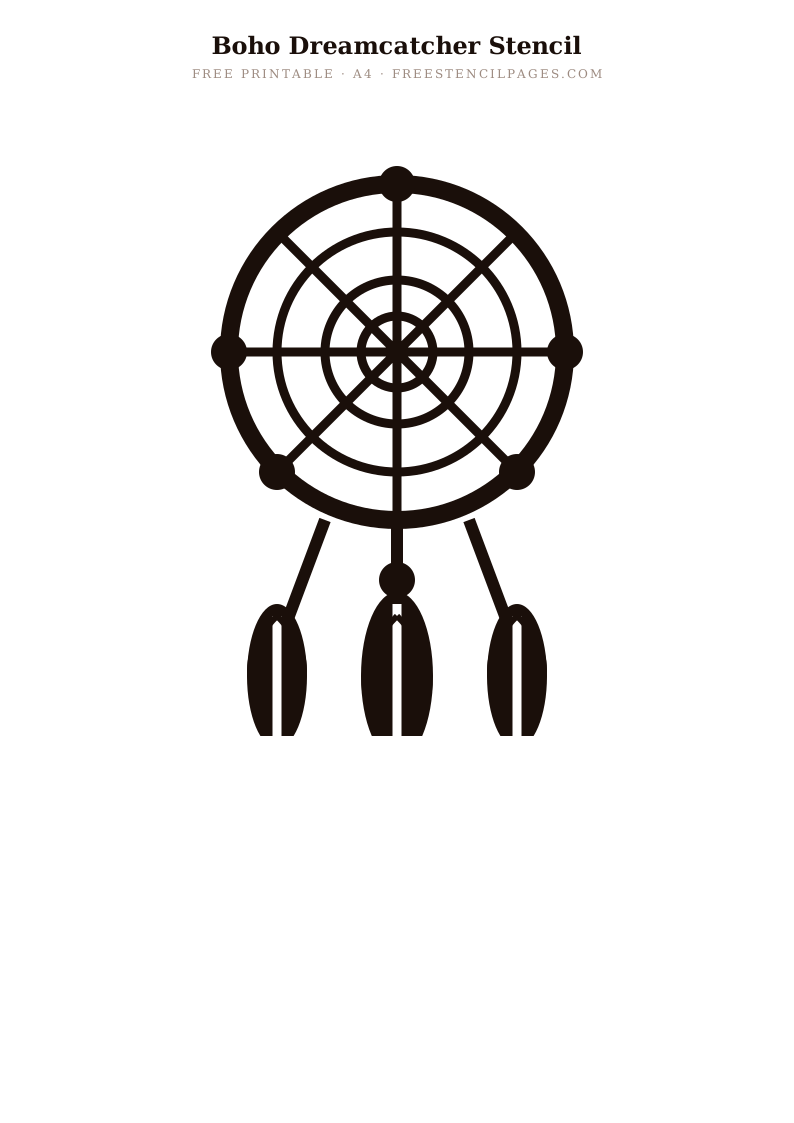
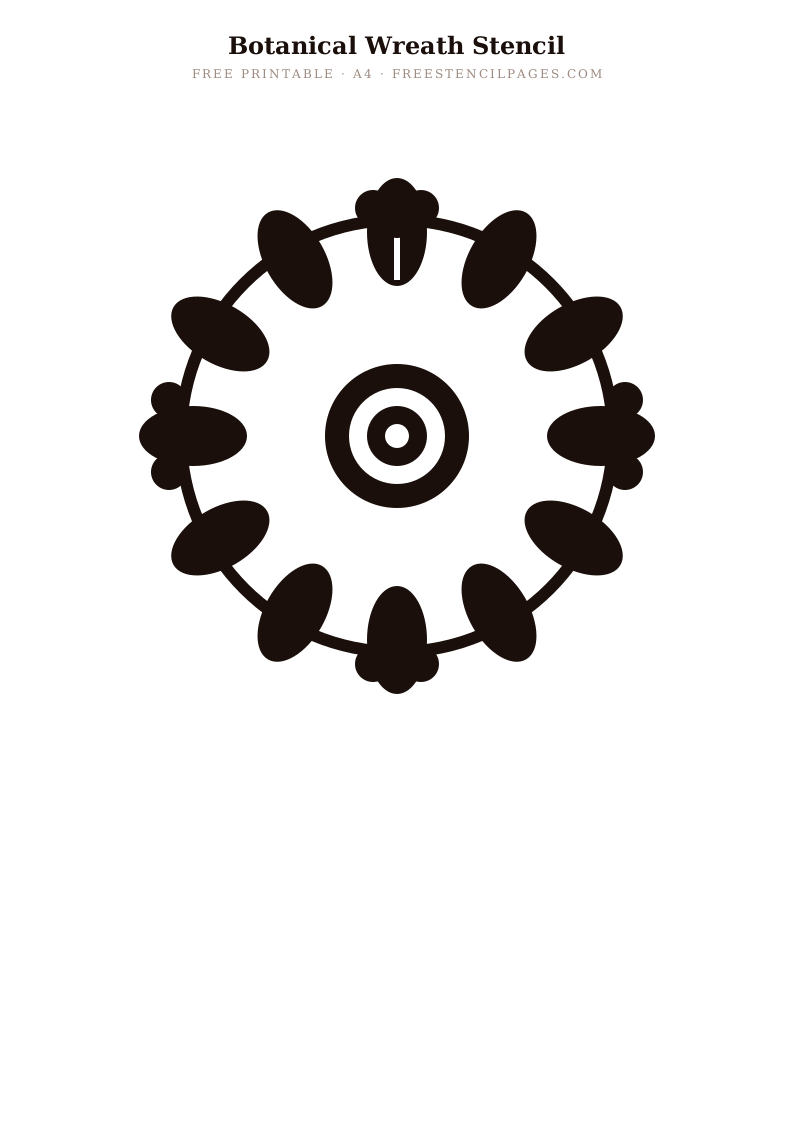
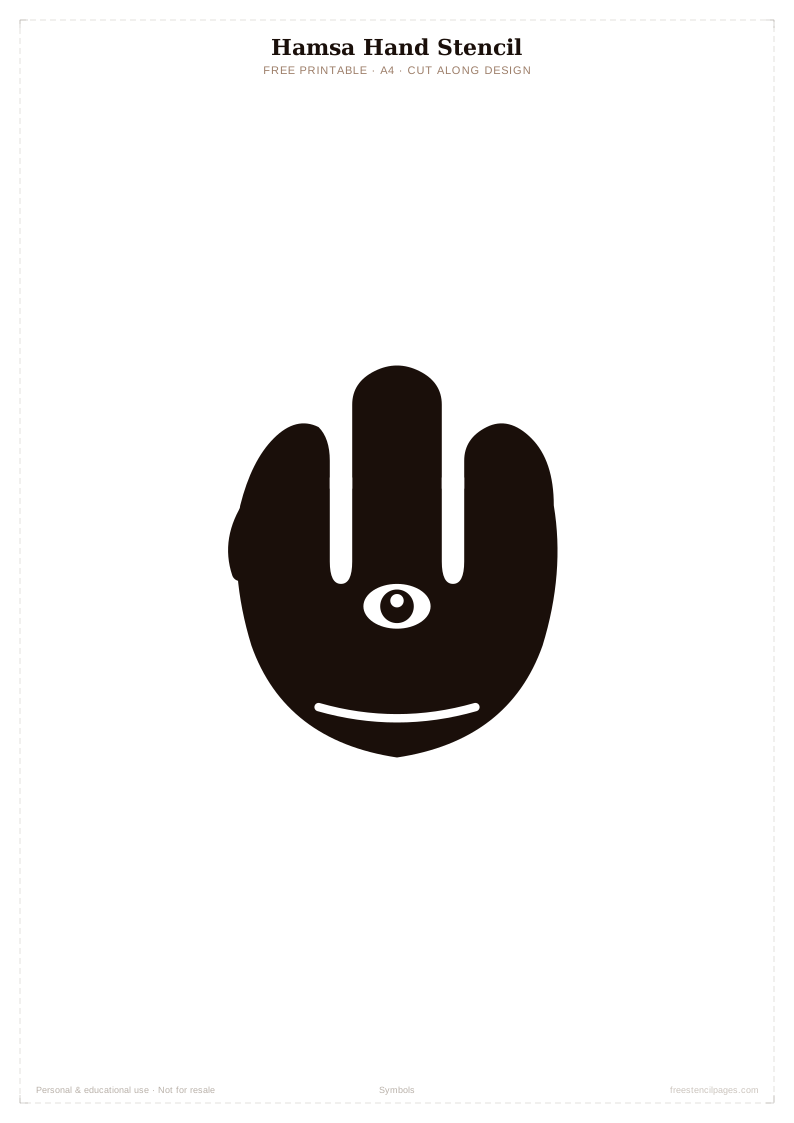
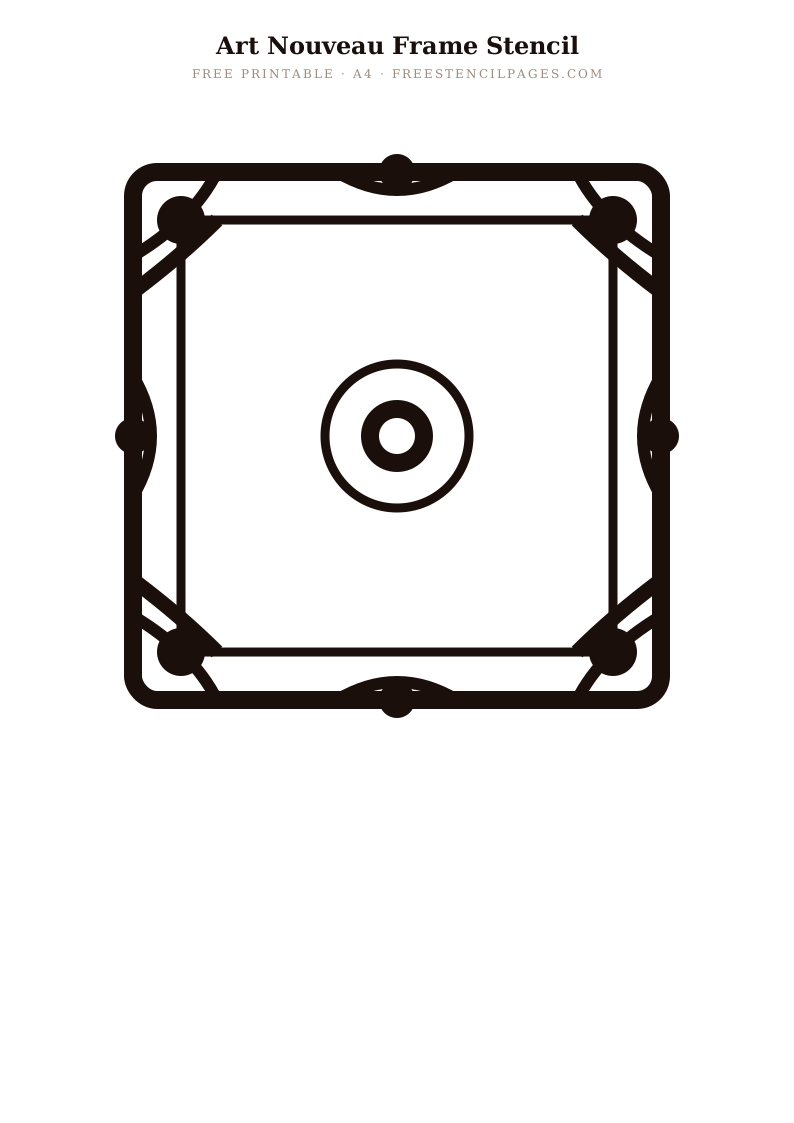
These designs work best as a single large centrepiece — above a sofa, headboard or fireplace. Scale up to 50–80cm using a projector or print shop for maximum impact. Best applied in a single bold colour on a contrasting wall.

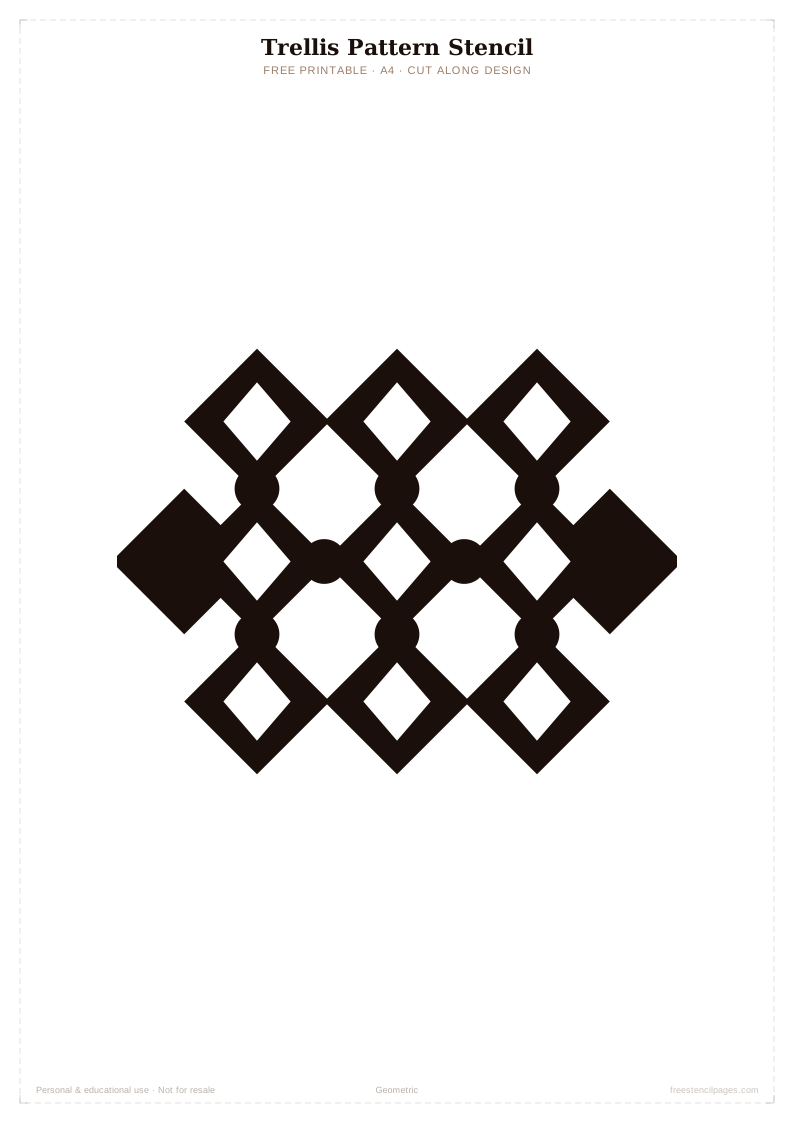
⬡ Repeating wall patterns
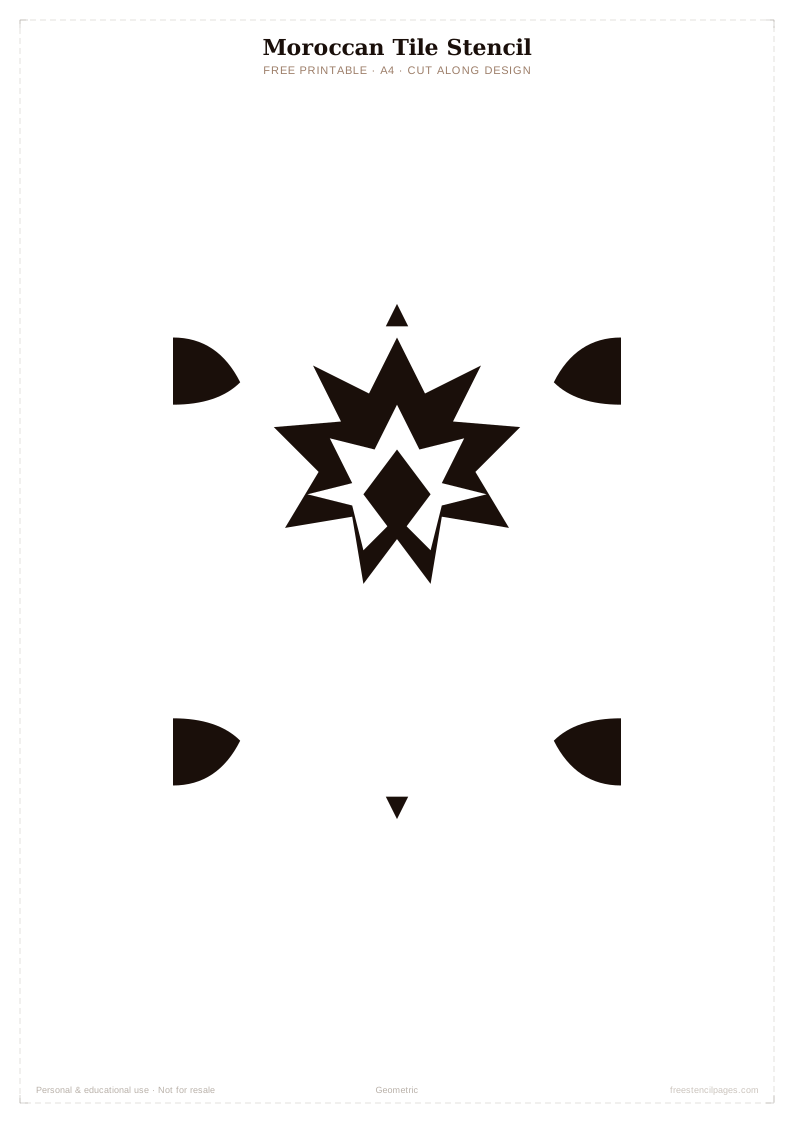
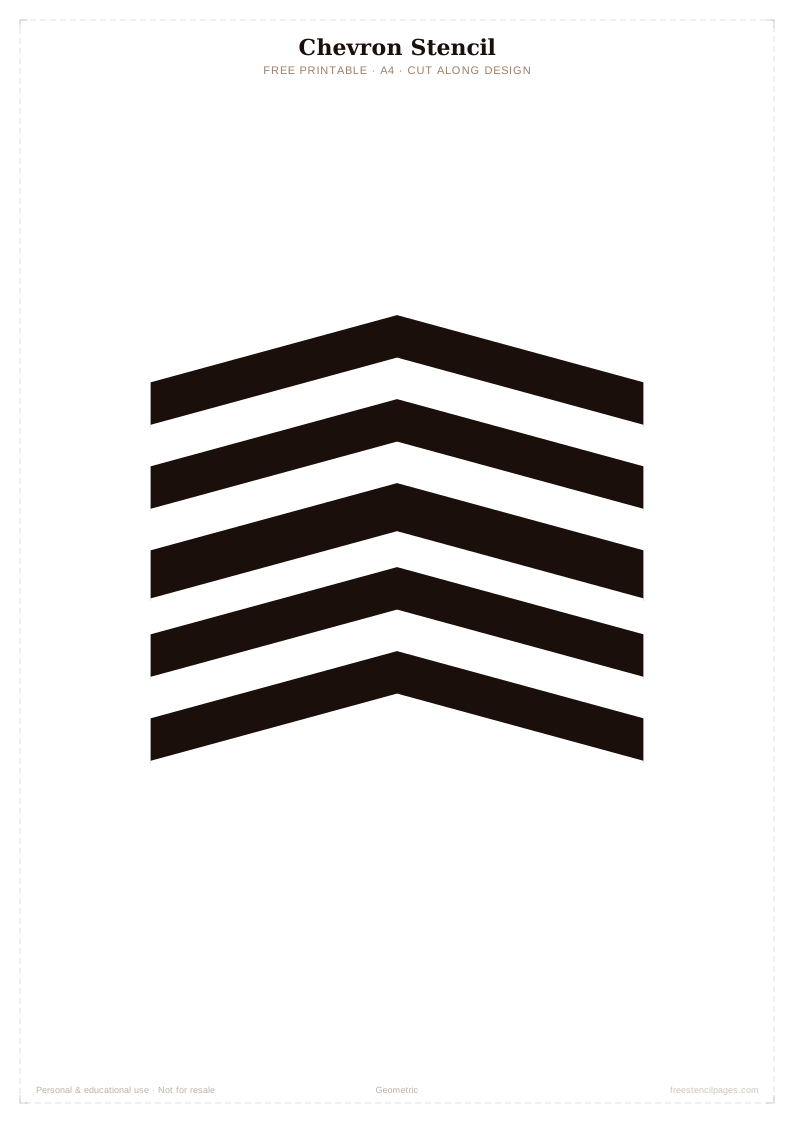
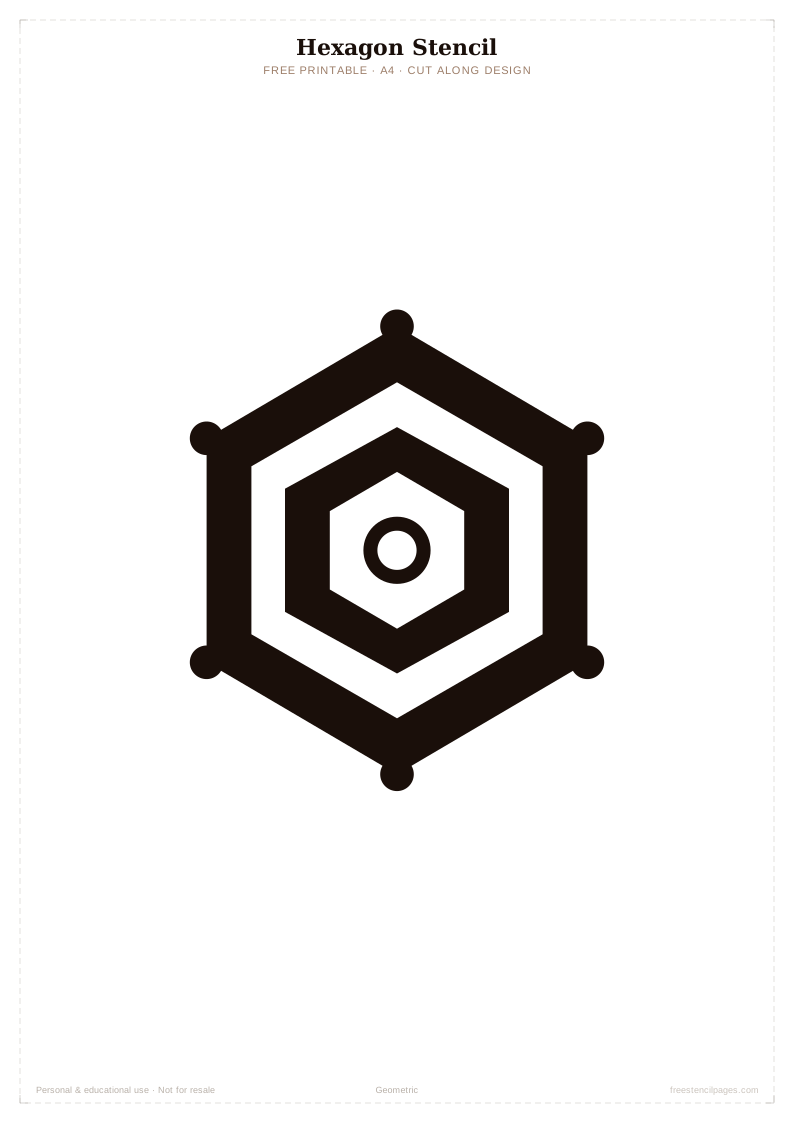
These geometric designs tile seamlessly to create a continuous wall pattern. Use registration marks cut into the stencil corners to keep each repeat perfectly aligned. Always start from the centre of the wall and work outward.
🌿 Botanical wall features
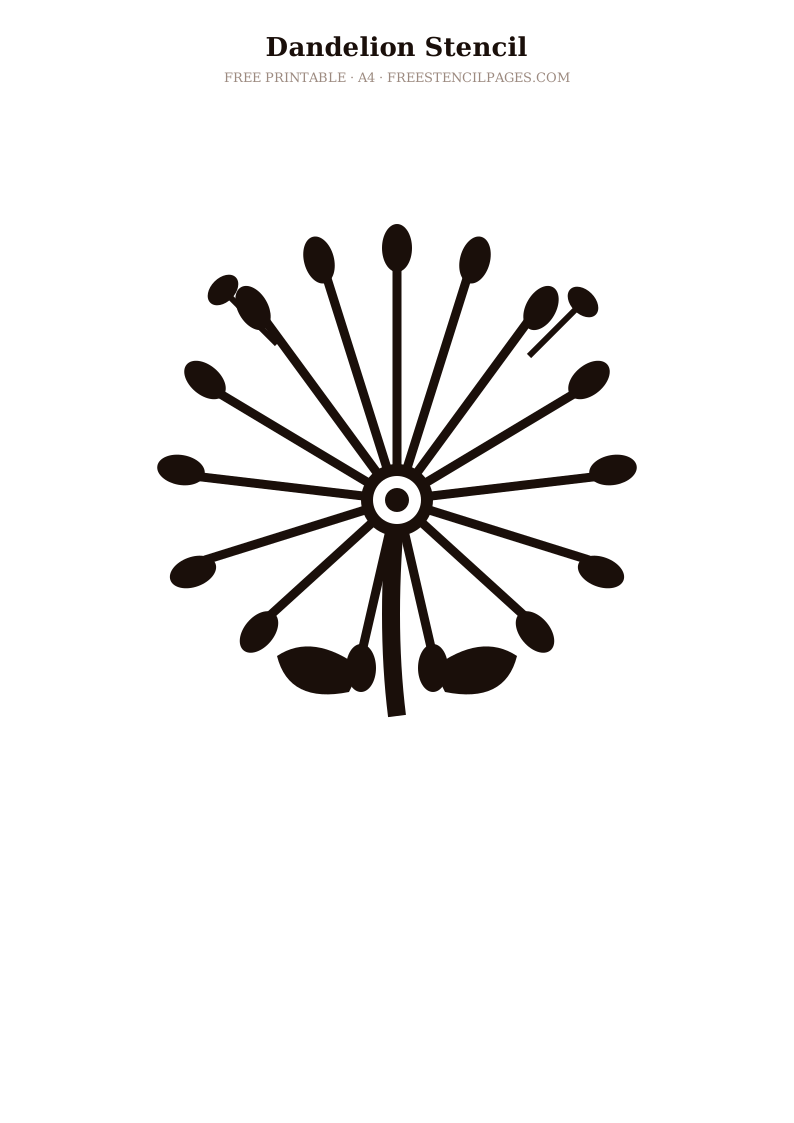
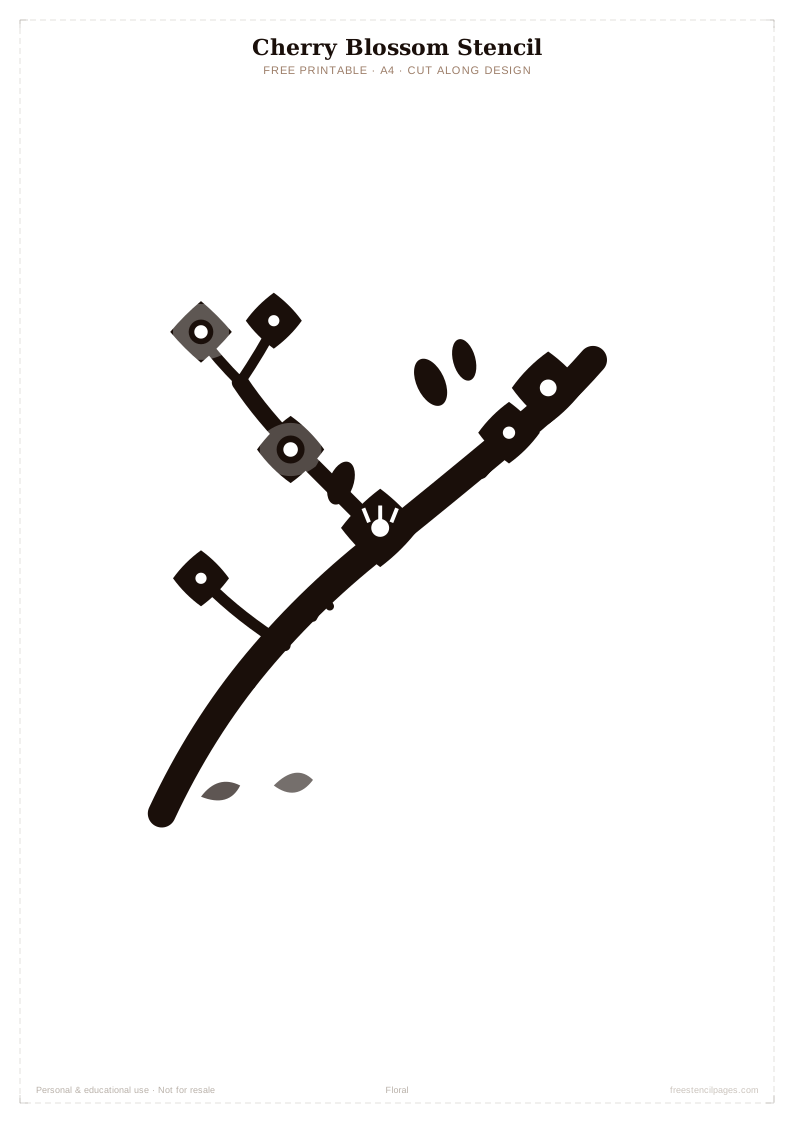
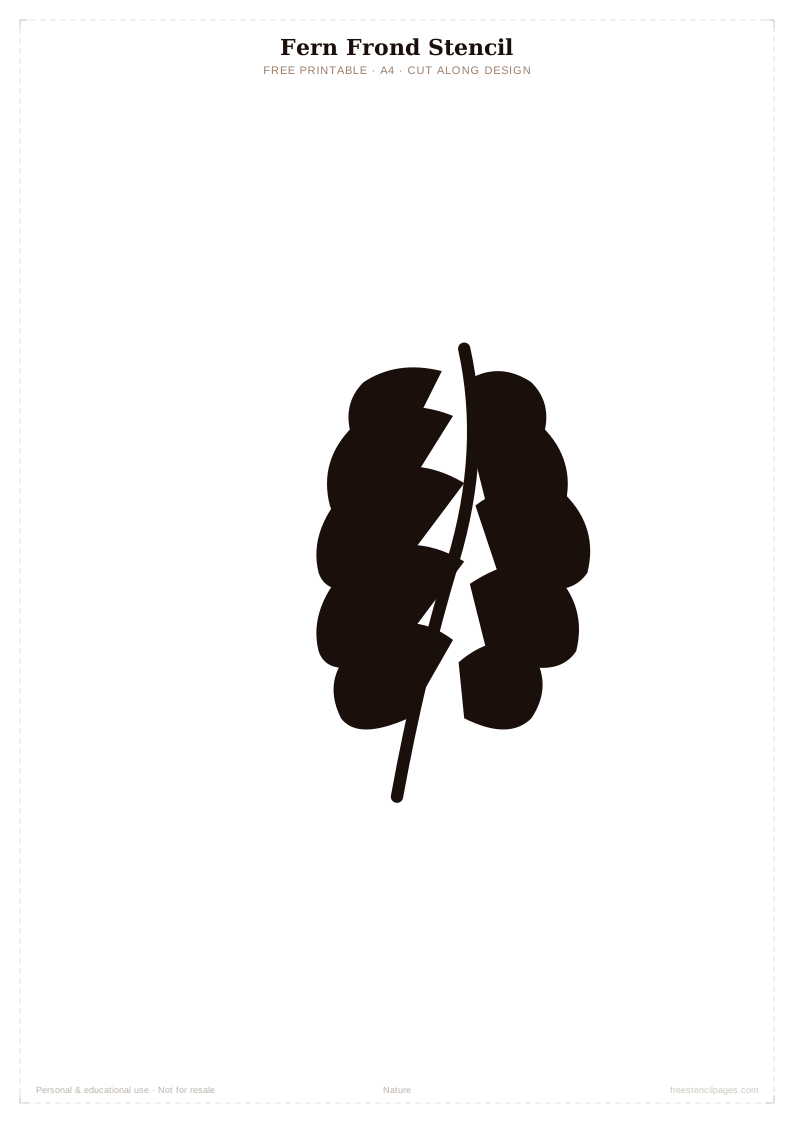
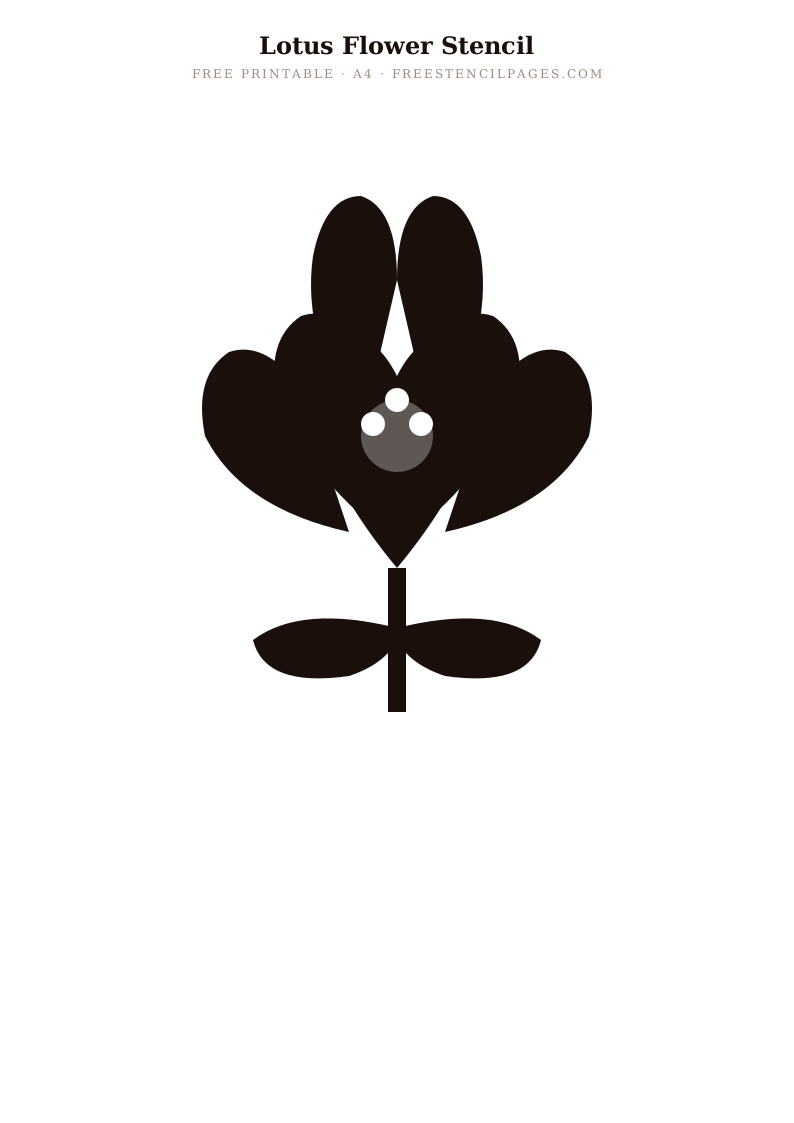
Nature designs work beautifully as wall features — either as a single large motif or as scattered botanical elements at different scales. The dandelion and cherry blossom are particularly popular for bedroom feature walls.
🌙 Bedroom & nursery walls
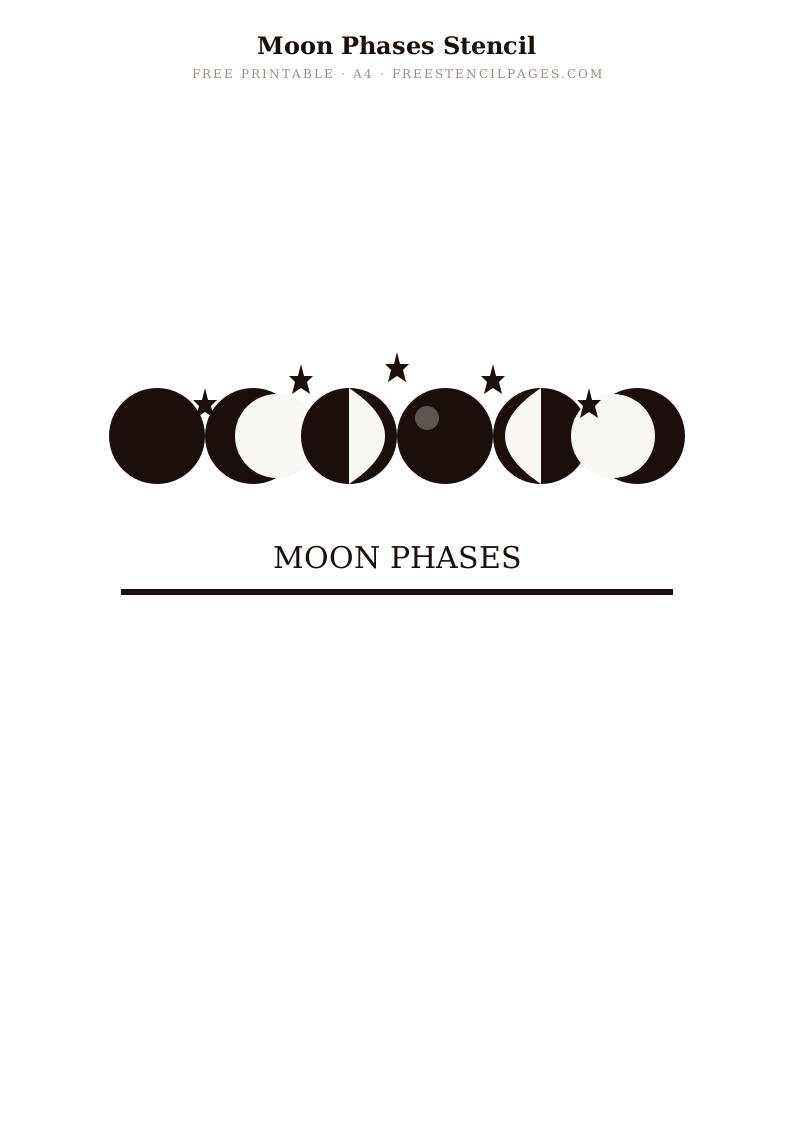
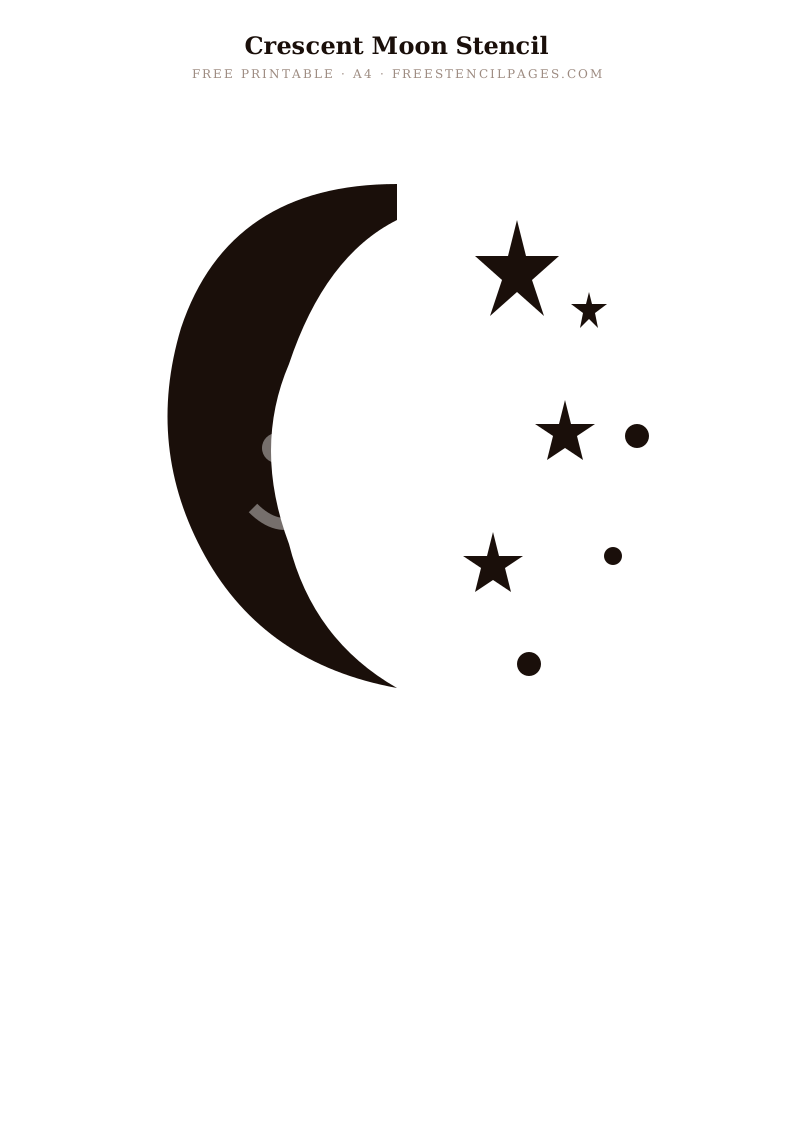
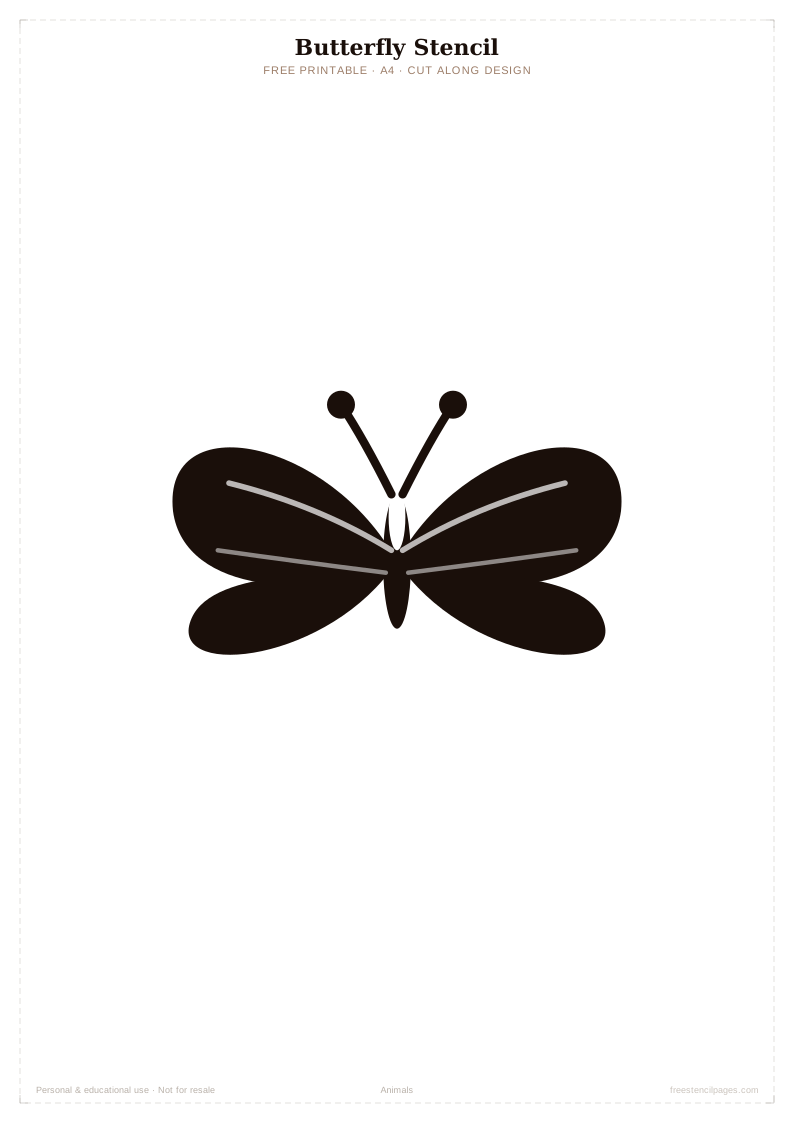
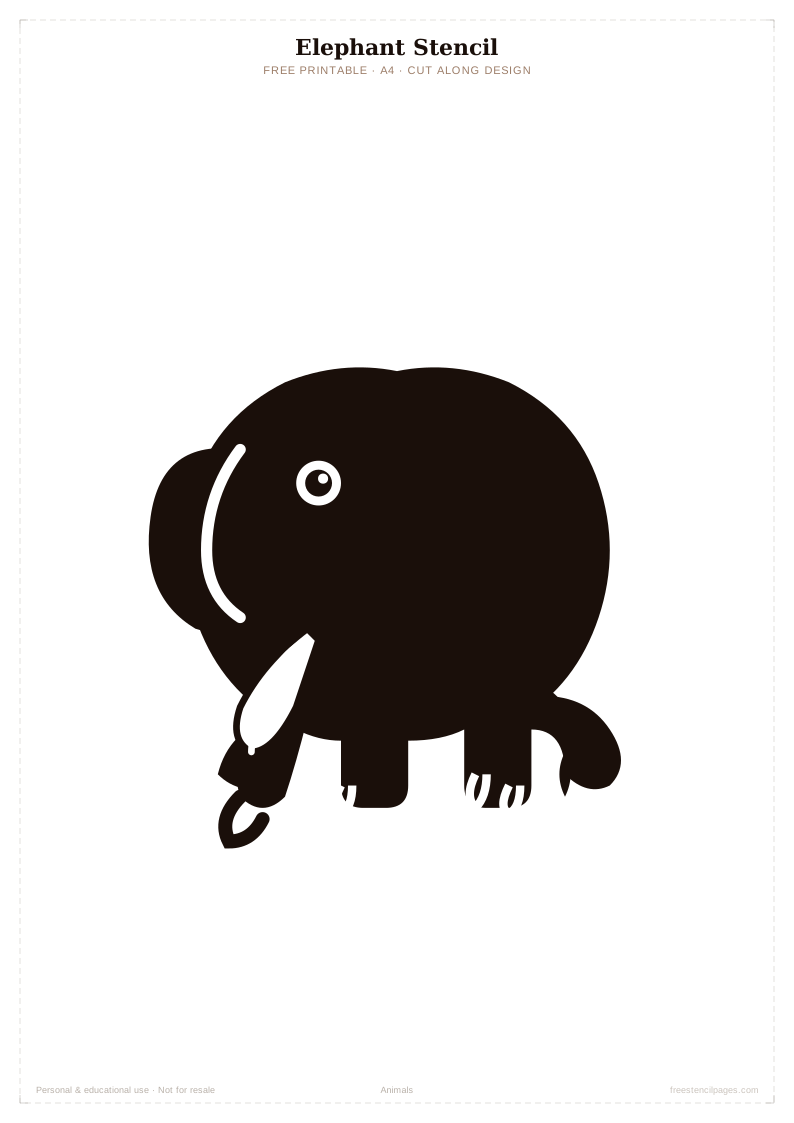
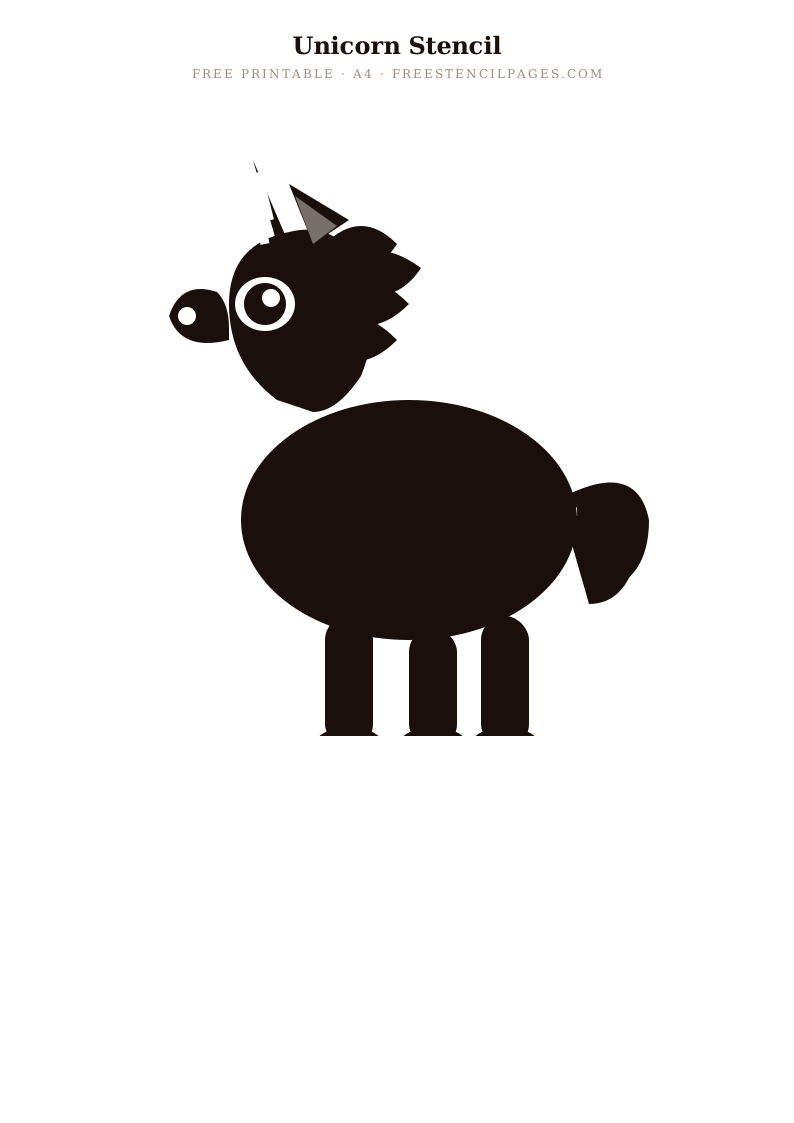
These designs are consistently chosen for bedrooms and nurseries. The moon phases frieze above a headboard, the butterfly scattered at multiple scales, and the elephant and rainbow for children's rooms are all perennial favourites.



🐉 Dramatic statement walls
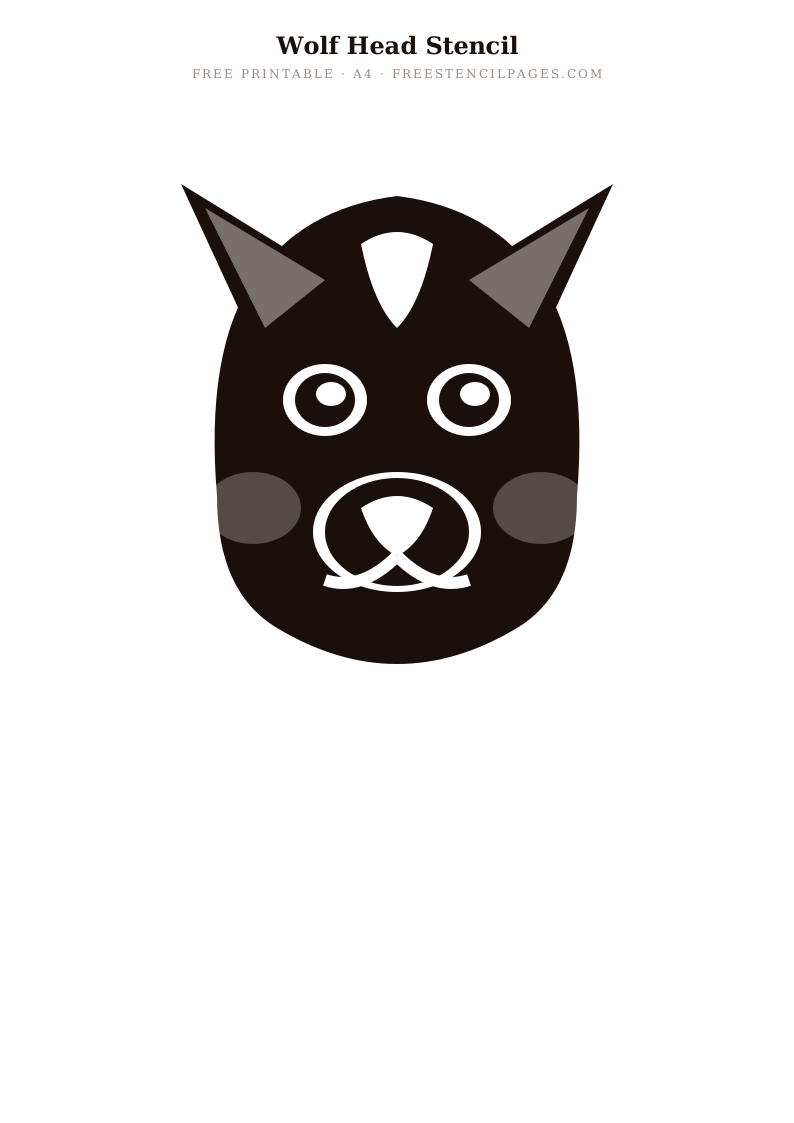
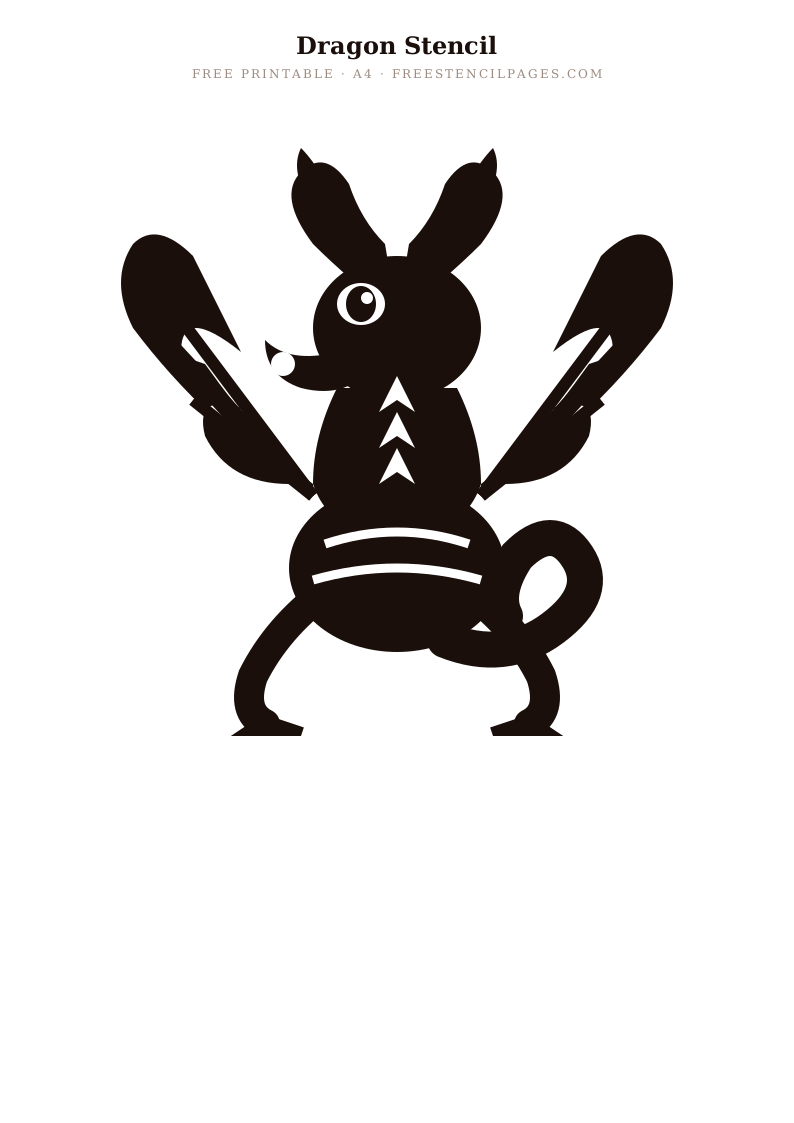
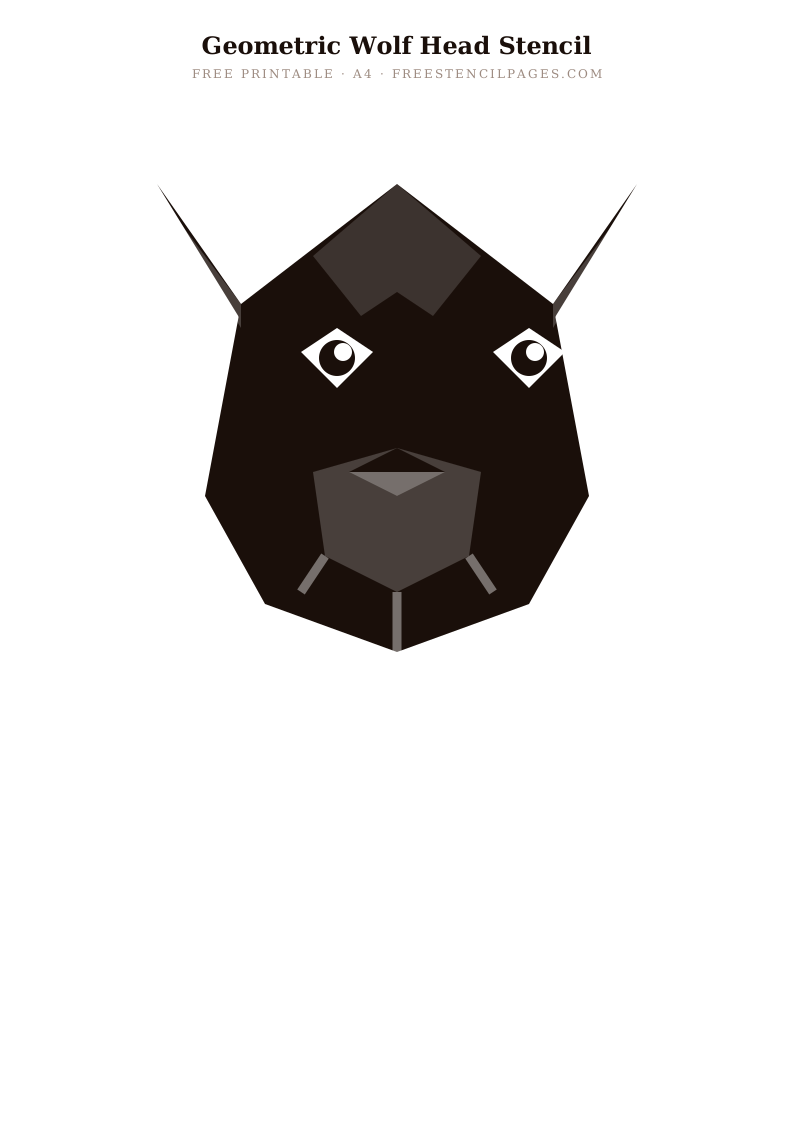
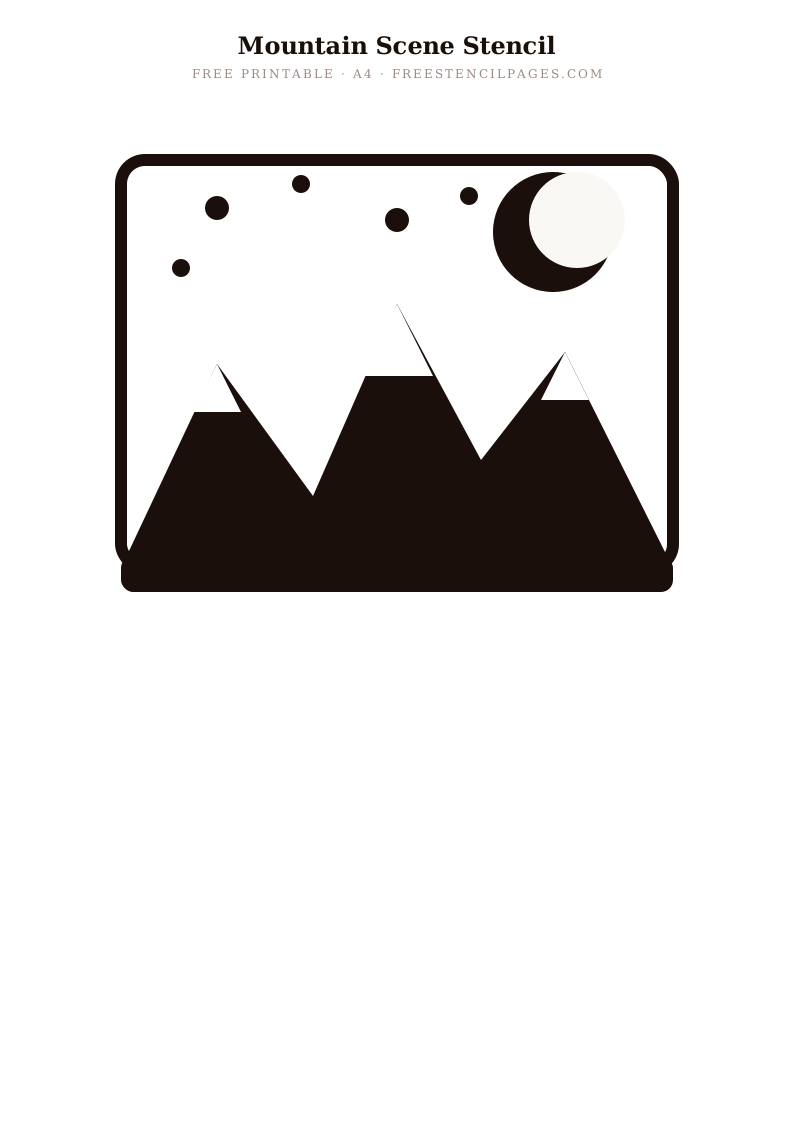
For those who want something genuinely striking — a gaming room, a study, a dark-painted feature wall. The dragon, wolf and mountain scene are all designs that reward being displayed large.

Planning a wall stencil project
Before you pick up a brush, spend time planning. The single most common mistake with wall stencilling is choosing a design that is too small for the wall, or placing it in a position that doesn't look considered. For a feature wall centrepiece, the design should be large enough to read clearly from across the room — typically at least 40–60cm diameter for a mandala or wreath, and at least 50cm wide for an animal or figurative design.
Mark the centre of your intended placement with a light pencil cross before you start. Use a spirit level for any design that has horizontal or vertical alignments. For repeating patterns, snap a chalk line across the wall as a baseline guide and register each repeat from that line.
The best paint colours for wall stencils
The most common approach — and the safest for beginners — is a single colour that is two to three shades darker than the wall colour. White walls with grey stencilling, warm cream with soft terracotta, dark navy with gold metallic. The contrast should be enough to read clearly but not so strong that it dominates the room.
For maximum drama, go high contrast: metallic gold on deep charcoal, white on black, or a rich forest green on pale stone. These work best as single large centrepieces rather than repeating patterns.
See the full technique guide at how to use stencils on walls and best paint for stencils.
Using a projector to scale up wall designs
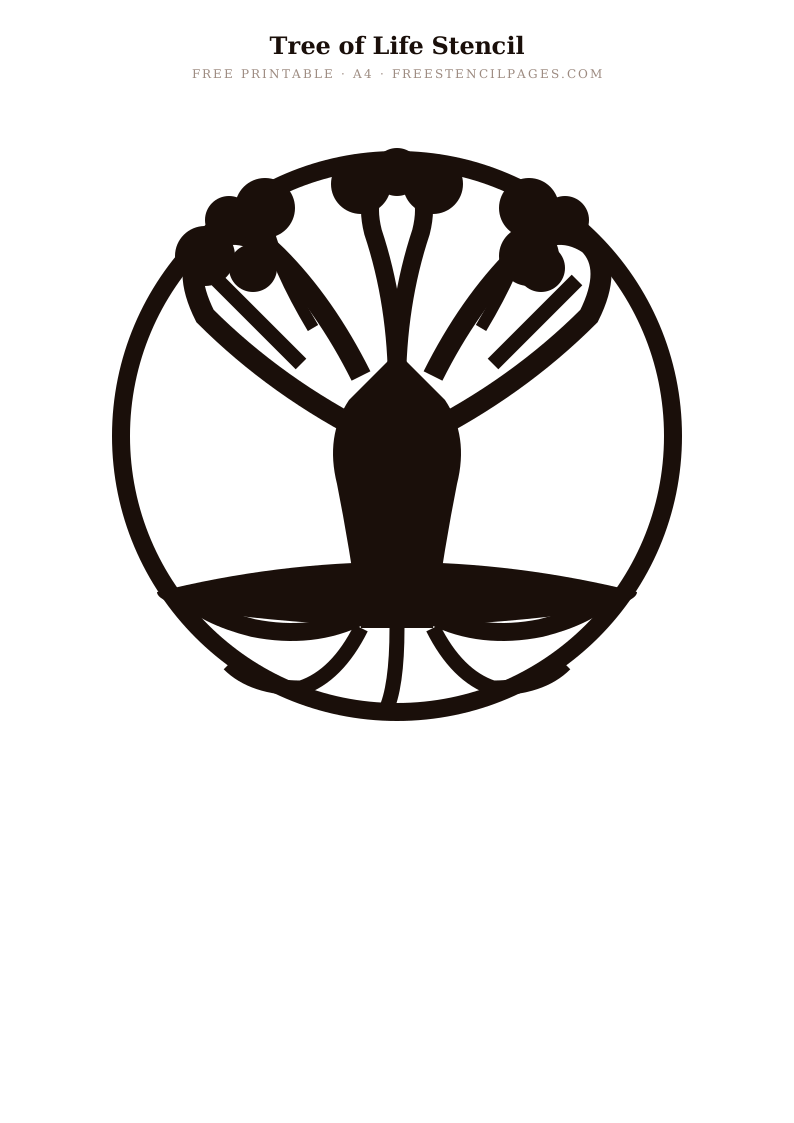
For very large wall designs — particularly the mandala, tree of life and wolf head — a projector is the most practical scaling method. Download the SVG, open it on a laptop, connect a projector, and adjust the distance until the projected image is the size you want. Trace the outline lightly in pencil, then remove the projector and paint within the traced lines. The SVG format scales perfectly at any size — no quality loss regardless of how large you go.
Related guides — essential reading for wall stencilling
Frequently asked questions
What size should a wall stencil be?
For a single centrepiece design, aim for at least 40–60cm diameter or width — large enough to read clearly from across the room. For a repeating pattern, a 20–30cm repeat is a good starting point. Use a projector or print shop for anything larger than A4.
What is the best paint for wall stencilling?
Chalk paint and low-sheen emulsion both give excellent wall results. Chalk paint is particularly good because it dries quickly, giving you a clean edge when you peel the stencil. Avoid silk or gloss finishes. See the full guide at best paint for stencils.
How do I stop a wall stencil from bleeding?
The two key steps: secure the stencil with low-tack spray adhesive to hold every edge flat, and apply paint with a nearly dry brush using a dabbing motion. Never sweep the brush across the stencil. More technique detail in the wall stencilling guide.
Can I stencil over wallpaper?
Yes, if the wallpaper is smooth and firmly adhered. Apply a base coat of emulsion first to give the paint something to bond to, and avoid textured wallpaper. Test in a hidden area first.
How do I scale up a stencil for a wall?
Three options: adjust the percentage in your print dialog for anything that fits on A4, use Canva or Inkscape for precise dimensions, or use a projector for very large designs. SVG files scale to any size with no quality loss. Full details at how to resize stencils.