Canvas rewards bold, graphic designs — single-colour applications in high contrast, or metallic paint on a dark gesso background. These designs consistently produce the most satisfying painted canvas results.
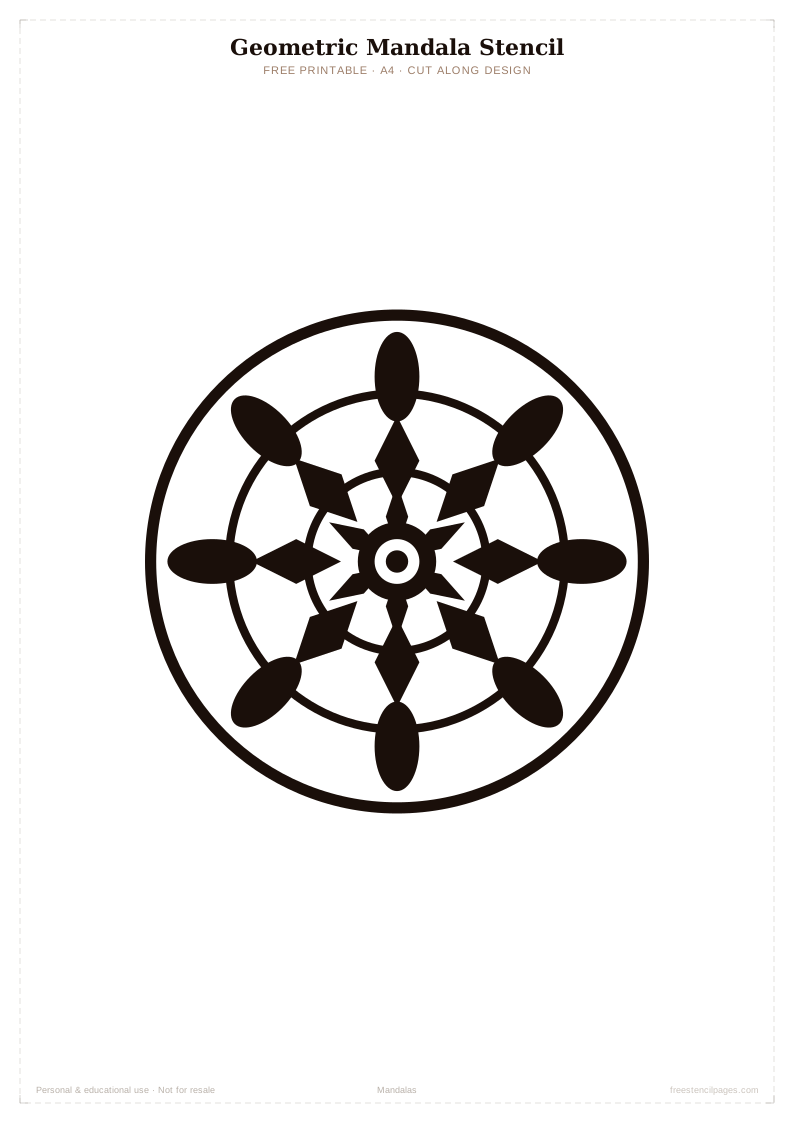
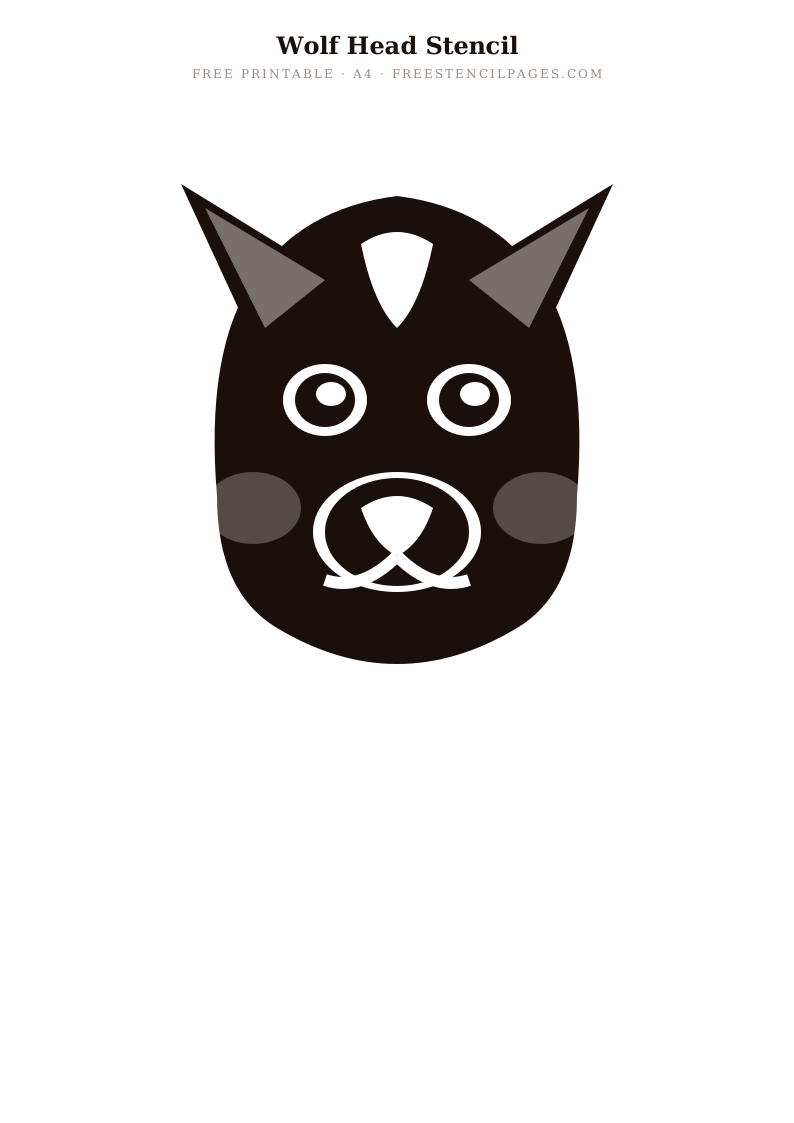
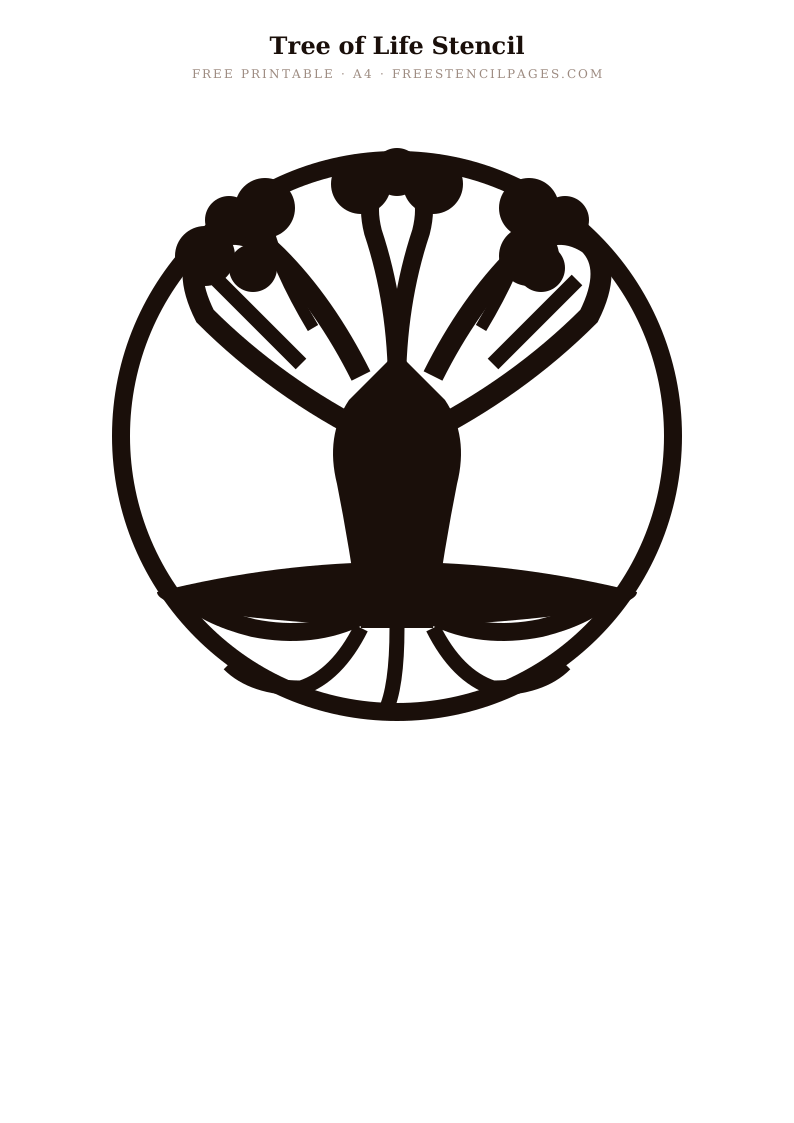
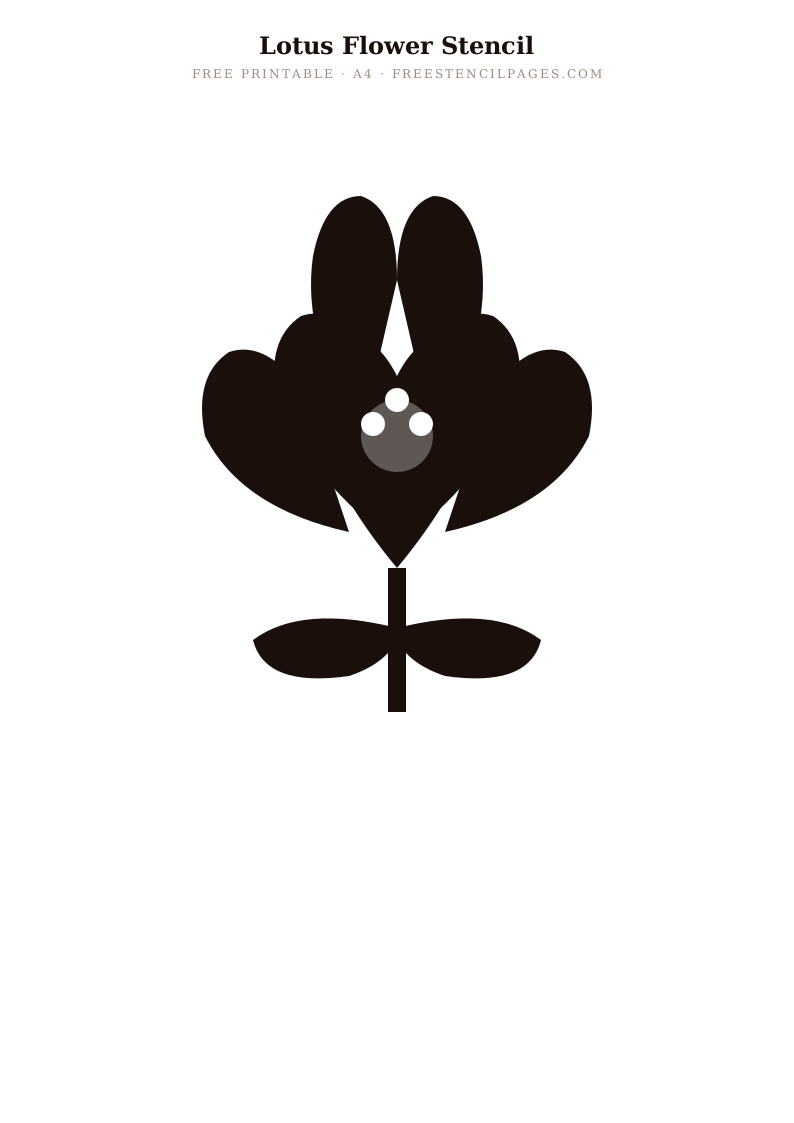
Wall stencils divide into two categories: large single centrepieces (mandala, wolf, tree of life) and repeating patterns (chevron, hexagon, Moroccan tile). Both reward careful preparation and a disciplined dry-brush technique.
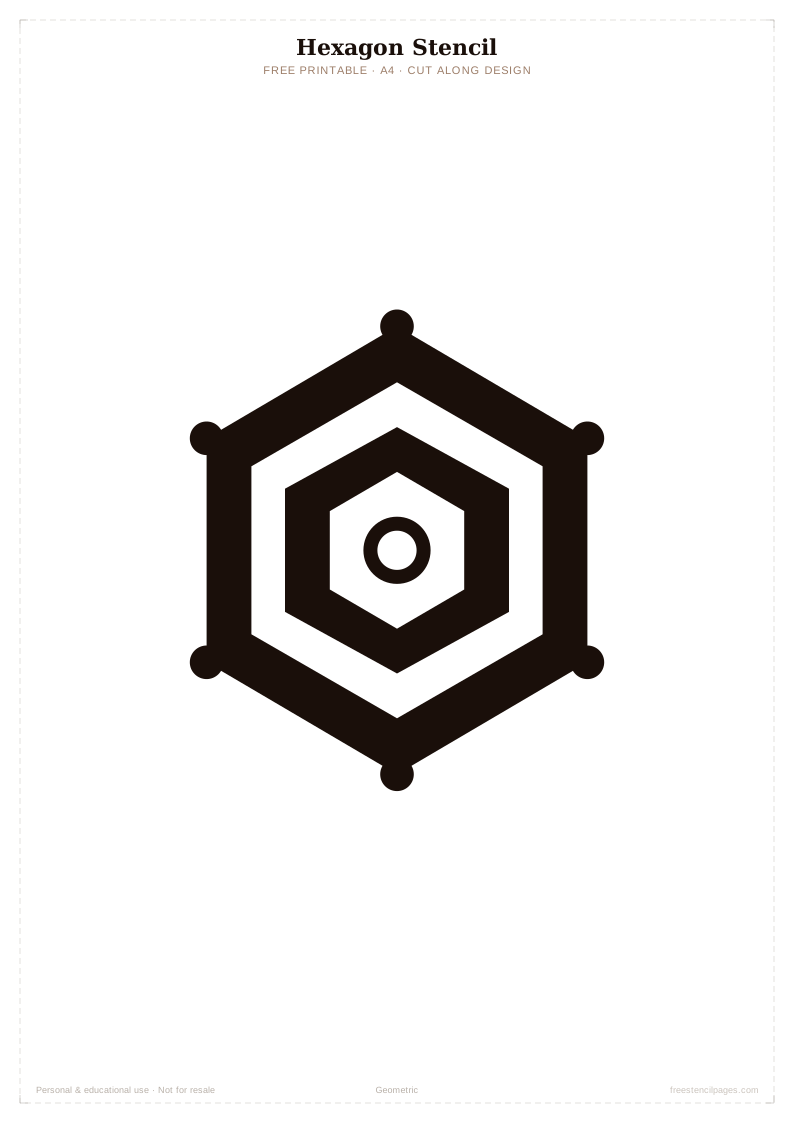
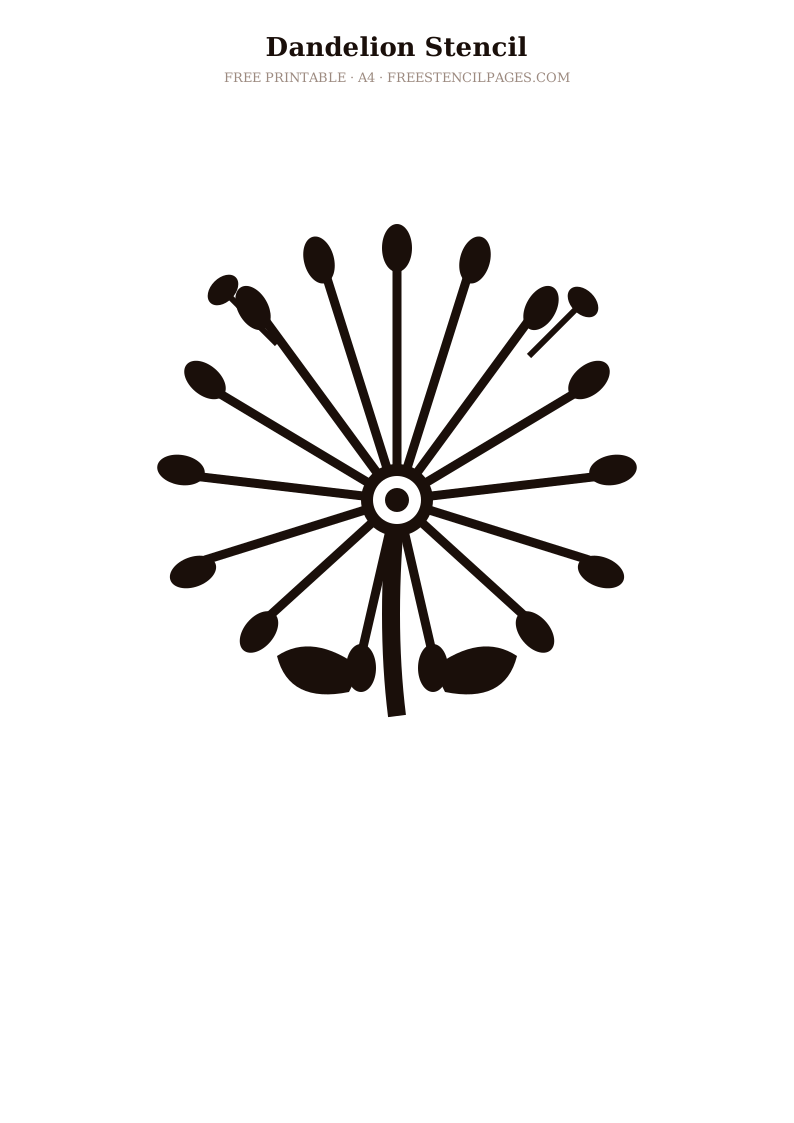
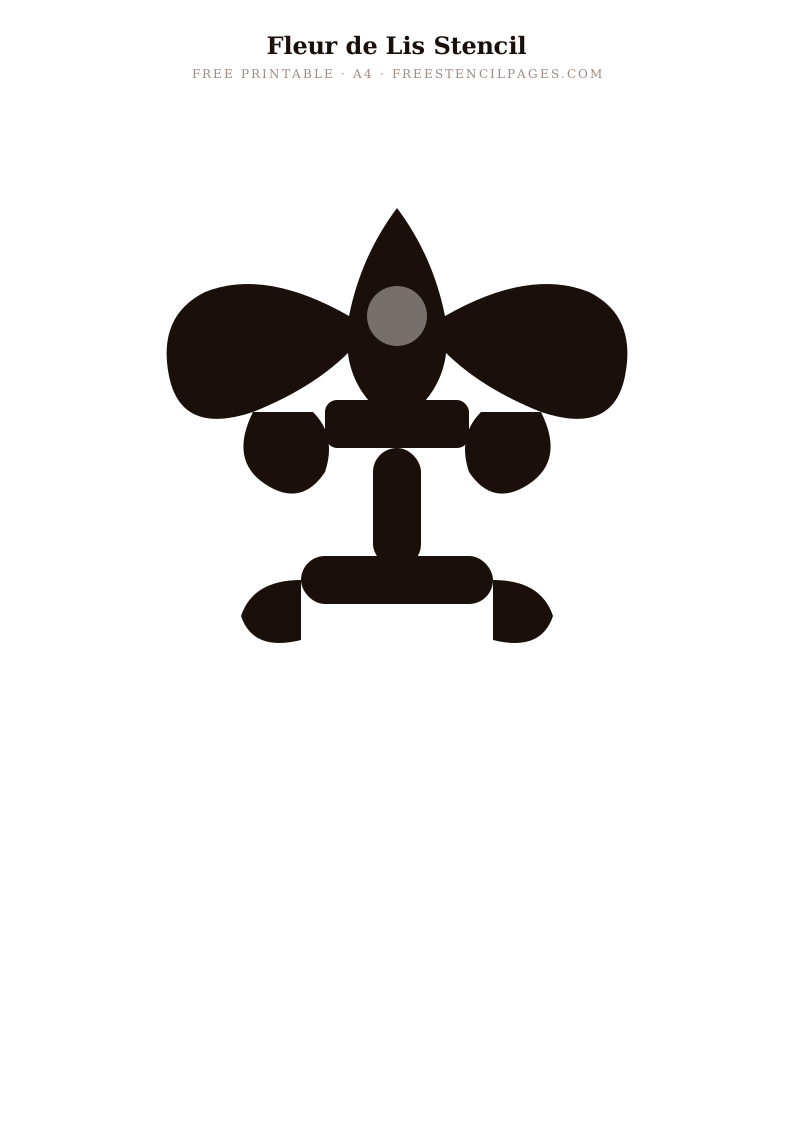
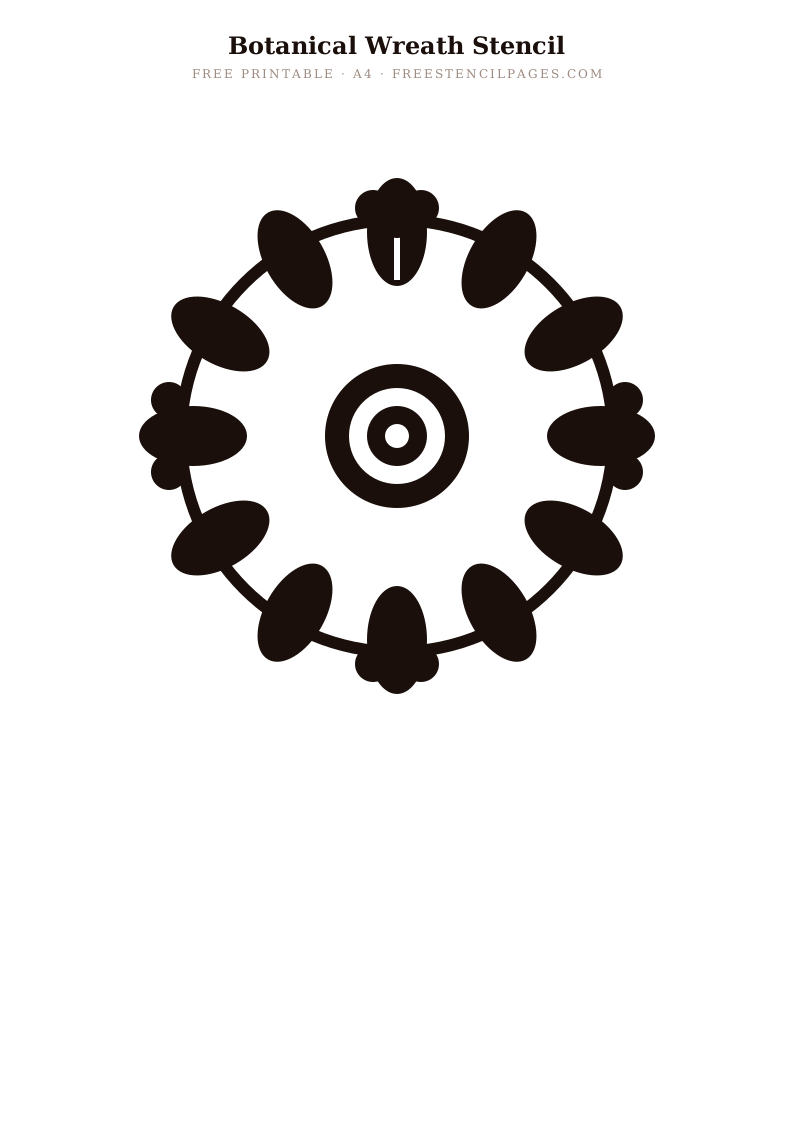
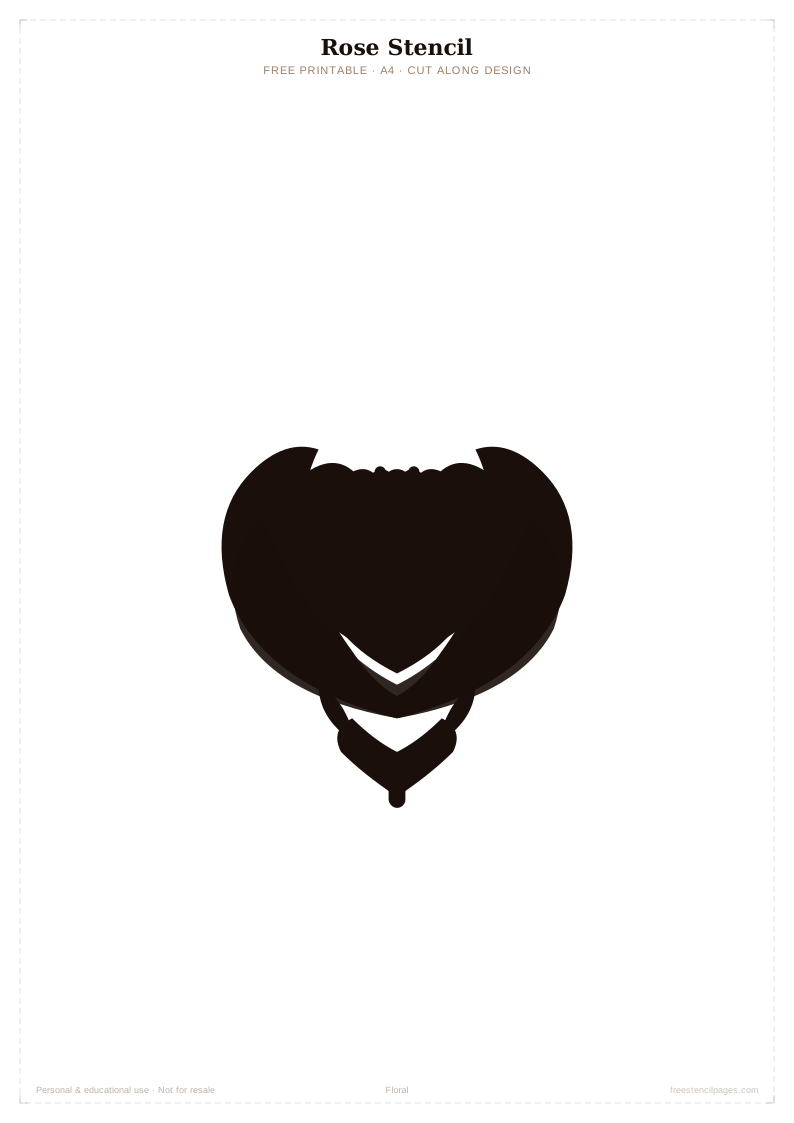
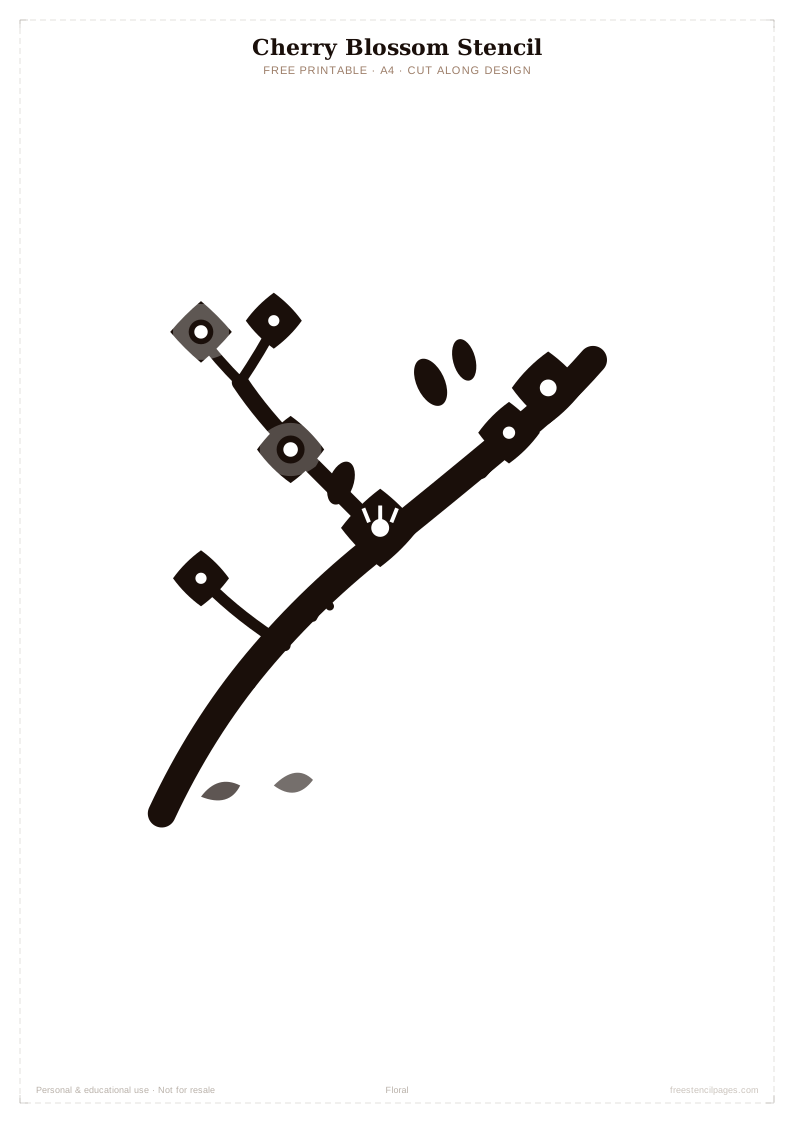
Furniture stencilling rewards botanical and classic decorative designs — rose, cherry blossom, fleur-de-lis and geometric patterns all look beautiful over chalk paint. The key is a nearly dry brush and a patient approach.
The foundation of good painted stencil technique
Every surface and every paint behaves slightly differently, but the underlying technique for stencil painting is consistent across all of them: prepare the surface, secure the stencil flat, apply paint with a near-dry brush in a dabbing motion, and peel while slightly damp. The most common mistake — in every medium and on every surface — is using too much paint.
A good mental model is to think of the stencil brush like a rubber stamp: the ink on a stamp is applied in a thin, even coat. Your brush should have just enough paint to leave a mark, not enough to flow or seep. Load the brush, tap off about 80% of the paint onto a piece of paper or kitchen towel, then apply.
Painting stencils on canvas — step by step
Canvas is one of the most rewarding surfaces for stencil work because the finished piece can be displayed as a serious artwork. Start by priming the canvas with gesso — white for a light background, black gesso for a dramatic dark ground. Let it dry completely, ideally overnight.
Apply low-tack spray adhesive to the back of the stencil and press it firmly to the canvas surface. For large canvas work, use masking tape around the edges to protect the canvas outside the stencil area. Apply paint with a nearly-dry brush in small circular dabbing motions. For a metallic effect, apply gold or copper acrylic with a small sea sponge rather than a brush — this gives a softer, more textured result that suits canvas particularly well.
Peel the stencil slowly while the paint is still slightly wet. Allow the canvas to dry flat before hanging or framing.
Choosing the right design for the surface
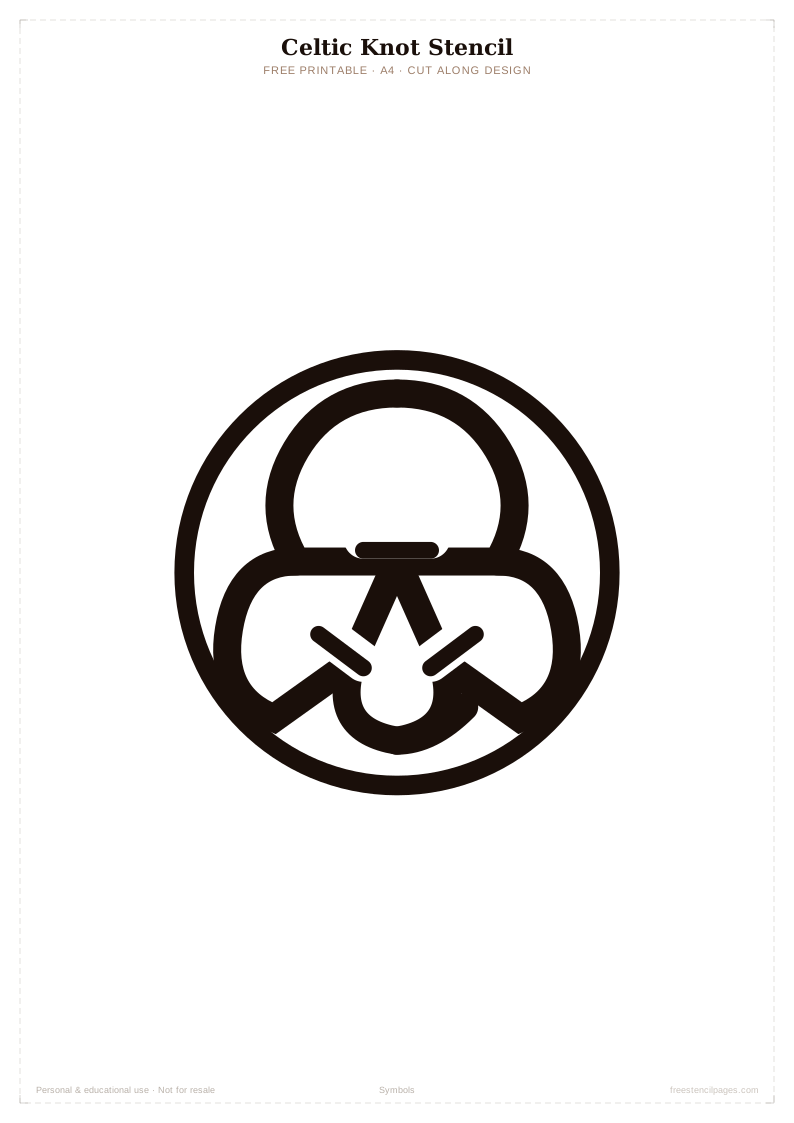
Not every design suits every surface. Fine, intricate designs — the Celtic knot, mandala, and tree of life — require patient technique and are better suited to flat, smooth surfaces like primed canvas, smooth MDF, or a newly plastered wall. They can be attempted on textured walls but require more care to keep every bridge flat.
Medium-weight designs — the botanical wreath, wolf head, and lotus flower — are versatile enough for walls, canvas, furniture and fabric. These are the designs most professional stencil painters return to because they reward technique without punishing slight imperfections.
Bold geometric designs — chevron, hexagon, and the Moroccan tile — are the most forgiving for repeating wall patterns because any slight irregularity reads as handmade character rather than error.
See the best paint for stencils guide for advice on which paints suit which surfaces, and the wall stencilling guide for in-depth wall technique.
Painting technique tips
🖌️ The dry brush rule
Load the brush, then tap off 80% of the paint. The brush should feel almost dry against your hand. This single change eliminates most bleed and gives dramatically cleaner edges.
🔒 Secure every edge
Low-tack spray adhesive on the stencil back is essential for clean results. Any gap between stencil and surface is a channel for paint to seep under. Press the stencil firmly and run your fingers over every edge and bridge before painting.
🎨 Build in layers
Two or three very light coats give better coverage and cleaner edges than one heavy coat. Each pass should just barely tint the surface. The coverage builds quickly and any slight overlap between coats is invisible in the finished result.
⏱️ Peel at the right moment
Peel the stencil while the paint is still slightly damp — not wet, not fully dry. Peeling wet pulls paint. Peeling fully dry can crack the paint at the edges. The moment of slight dampness gives the cleanest possible edge.
🖼️ Metallic on dark
Gold or copper metallic acrylic on a black gesso canvas is one of the most striking stencil painting combinations available. Apply the metallic paint with a sea sponge for a softer effect, or a dry stiff brush for a more graphic result.
🪑 Seal furniture work
Always seal a stencilled furniture piece with wax or varnish once fully dry. This protects the painted design from knocks, scratches and moisture. Clear matt varnish preserves the chalk paint look; wax gives a slightly warmer, more aged finish.
Related guides and collections
Frequently asked questions
What stencils work best for painting on walls?
Geometric patterns (chevron, hexagon, Moroccan tile) work best for repeating wall patterns because their clean lines are very forgiving of slight imperfections. For statement centrepieces, the mandala, botanical wreath and wolf head all give striking painted wall results. Designs with medium line weight — not too fine, not too thick — are easiest to paint cleanly.
What is the best paint technique to avoid bleed under a stencil?
Two things make the biggest difference: securing the stencil with low-tack spray adhesive so every edge is held flat against the surface, and using a nearly dry brush in a dabbing motion. Load the brush lightly, tap off most of the paint onto paper or card before applying. You want the brush to feel almost dry. Building up two or three light coats gives cleaner edges than one heavy coat.
Can I use acrylic paint through a stencil?
Yes — acrylic is one of the most versatile paints for stencilling. It dries quickly, comes in hundreds of colours, and works on walls, canvas, wood, card and most surfaces. Dilute very slightly with water if it feels too stiff for the brush. Use on canvas or paper without diluting for full coverage. Avoid watering it down too much, which makes it seep under edges.
How do I stencil onto canvas for wall art?
Prime the canvas with gesso and let it dry fully. Mark the centre of the canvas lightly in pencil. Apply low-tack spray adhesive to the back of the stencil and press it firmly to the canvas. Apply acrylic or chalk paint with a barely-loaded brush using a circular dabbing motion. Peel the stencil while the paint is still slightly damp. For a metallic effect, apply gold or copper acrylic with a small sea sponge for a more textured result.
What stencils are best for painting furniture?
Botanical designs — the rose, cherry blossom, dandelion and botanical wreath — are the most popular for furniture upcycling. Apply over a dried chalk paint base coat using a nearly dry stencil brush. The fleur-de-lis and geometric patterns also work beautifully on drawer fronts and wardrobe panels. Always seal with wax or varnish over the finished stencil.
Can I use chalk paint with a stencil?
Yes — chalk paint is actually the ideal paint for most stencil applications, particularly on walls and furniture. It has exactly the right consistency straight from the tin — thick enough to stay put but not so stiff it lifts the stencil. It dries quickly (10–15 minutes) which means you can remove the stencil cleanly while still slightly damp. Most chalk paints give a beautiful matte finish that suits stencil work well.